Author: Man Luo
“When I was only 11, I didn’t understand what was happening at all,” said 17-year-old Guli (a pseudonym), recalling her experience of being harmed. “I just felt a heaviness inside. My mother worked every day, and I was afraid that telling her would only make her more tired, so I kept it to myself.”
The memories she had tried to bury began to resurface after her father returned home from working away. The financial pressure on the family eased, and her mother smiled more often—but Guli’s world grew darker. “I started having nightmares. Sometimes I would suddenly cry in class and couldn’t control myself. When my mom asked what was wrong, I held it in for several days before finally telling her. She held me and cried, but after that, neither of us knew what to do.”
Guli’s mother recalled that during those two months, she asked around everywhere, but no one could tell her how to help her child.
A turning point came when a social worker visited. After listening to Guli’s situation, the social worker immediately suggested taking her to the county hospital for an examination. “That was when we realized she needed professional help.”
Over the next six months, mother and daughter traveled to places including Urumqi for treatment. Guli took medication while also attending counseling sessions, gradually learning how to process her emotions. “The doctor told me I needed to learn how to make peace with the past,” she said softly. “The social worker also helped me think through whether I should speak up about what happened.”
With the guidance of the social worker, Guli and her family spent a week carefully weighing their options. Speaking up would mean revisiting painful memories, but it might also help her move forward; staying silent might allow those memories to linger. “I don’t want to keep hiding,” Guli said, her voice steadier. “I want to focus on my studies and one day go to a city outside.”
Now, Guli has returned to school. After class, she often stays in the classroom to finish her homework, and sometimes takes walks on the playground with her classmates. “Sometimes I still feel sad,” she says, “but now I know who I can turn to for help.” She takes out a notebook from her schoolbag. Inside are the contact details the social worker gave her, along with a simple message of encouragement: “You deserve to be treated with care and respect.”
Her story is not an isolated one. In many rural communities, sex education is still developing. While basic physical knowledge is gradually being introduced, emotional support and awareness of self-protection remain limited. Many young people, like Guli, face confusion without guidance—and carry their struggles in silence.
Aytila has been working in sex education in Kashgar for more than six years. When she first began, she too found it difficult to speak openly about topics that are often considered sensitive in traditional cultural context. Conversations about body awareness and personal boundaries were rarely discussed between parents and children.
Today, things have changed—but not as much as one might hope.
Current Situation and Challenges
“When I ask students if they know what puberty is, they can all tell me the age range,” Aytila says. “But when I ask them what actually changes during puberty, or what they should do if someone makes them uncomfortable, they fall silent.” What they have learned, she explains, often remains abstract—detached from their lived reality, and difficult to translate into action when it matters.
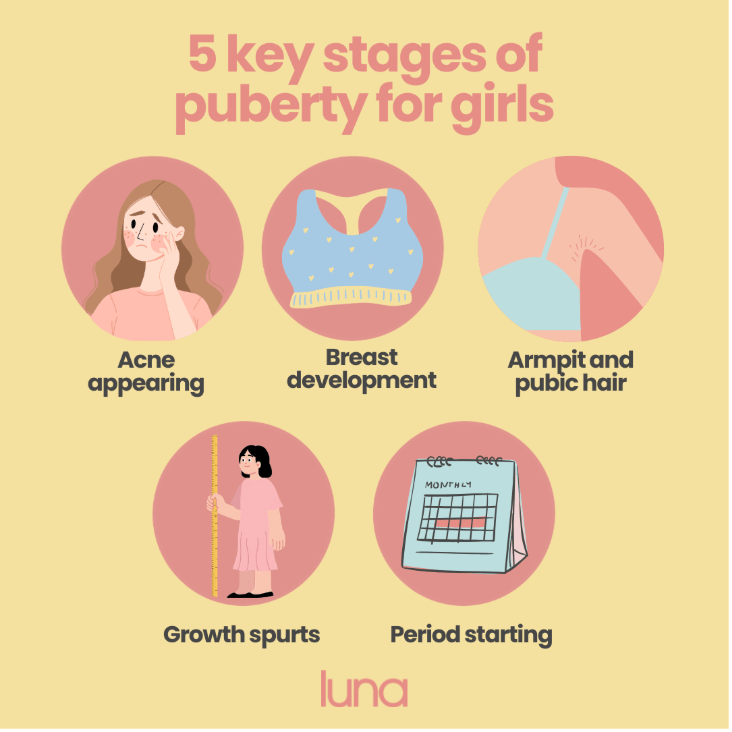
This gap between knowing and doing is what troubles her most. On paper, many students appear well-informed. They can recite textbook guidelines with ease—for instance, that sanitary pads should be changed every two hours. Yet in practice, that knowledge rarely turns into consistent behavior. The reasons are complex, but economics plays a significant role. A pack of six pads can cost over 80 yuan, making it unrealistic for some families to follow recommended usage. For them, health guidance becomes a luxury rather than a norm.
Social attitudes further reinforce this disconnect. Aytila recalls a friend once questioning her: “Why change every two hours? That’s wasteful if your flow isn’t heavy.”
“If adults think this way,” Aytila says, “imagine children.” Without supportive environments—both at home and in the community—what students learn in the classroom risks remaining theoretical, rather than becoming knowledge they can rely on to protect themselves.
Reasons Behind the Problem
This gap, Aytila suggests, is shaped not only by limited access to practical knowledge, but also by long-standing social norms and a lack of open communication within families.
When she first began working in sex education, she faced similar challenges herself. “At the beginning, I wasn’t fully comfortable with it either,” she recalls. “In more traditional settings, it can feel awkward to talk openly about topics like gender in front of others. Parents and children alike often find it hard to start these conversations.”
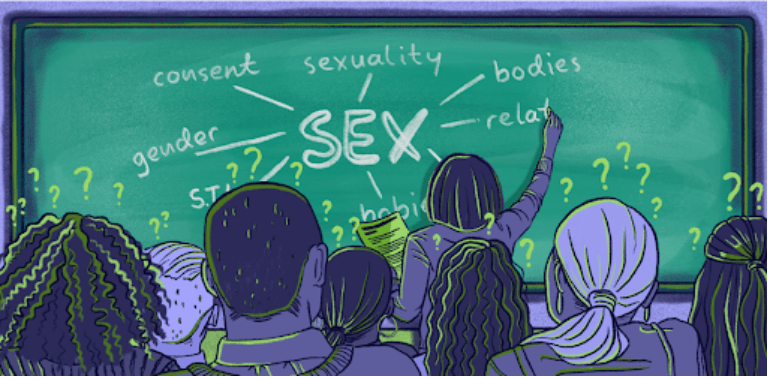
In many communities, she adds, expectations around marriage still carry significant weight. When families encounter difficult situations, their concerns are often shaped by how such experiences might affect a child’s future. Worries about social judgment can make some families hesitant to seek outside support or discuss the issue openly. “Sometimes it’s not that they don’t care,” Aytila explains. “It’s that they feel unsure how to face the situation, and may choose to avoid it.”
She has observed this pattern time and again. Even when she organizes sessions for parents, attendance is often not entirely voluntary. “Schools see these sessions as important, so they help arrange them, and parents usually attend as part of that process,” she explains. If given a choice, some might hesitate to join—not because they do not care, but because they feel uncomfortable discussing such topics openly or worry about “losing face.”
At the same time, many parents simply do not know how to communicate effectively with their children. “Adolescents are naturally more emotionally volatile—that’s normal,” Aytila explains. “But if parents only tell them, ‘You need to control your emotions at home,’ it doesn’t really help.”
Instead, she encourages a different approach. “I tell parents to praise their children more and give them small responsibilities. Complain less. Some parents say things like, ‘I’ve raised you all these years and you’ve done nothing for me—what’s the point of you?’ Those kinds of words should be avoided.”
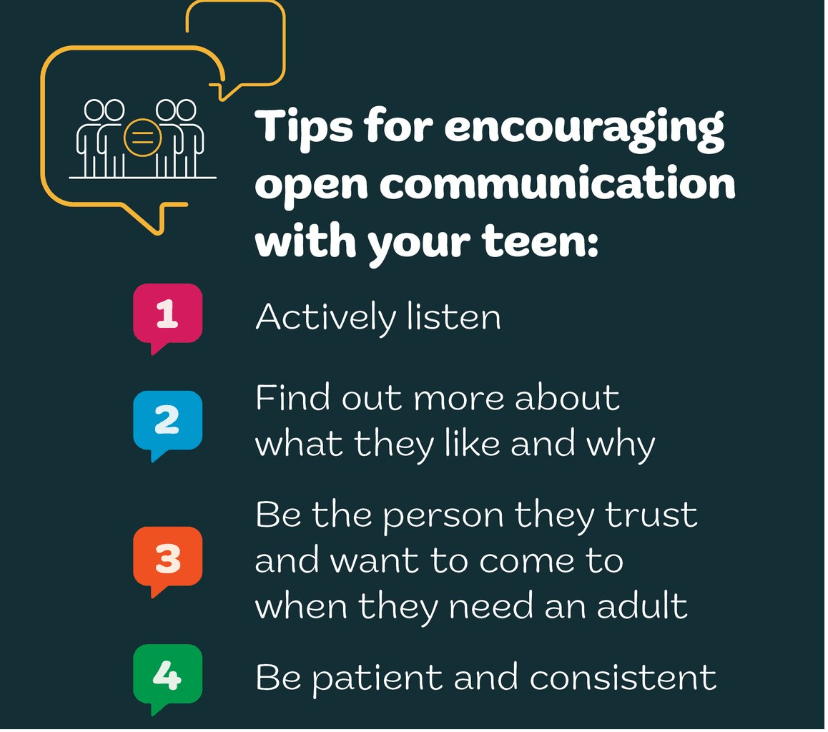
She suggests reframing everyday interactions: “You can say, ‘You’ve grown up now, you can even help your mother—I’m really happy about that. Could you help me with this?’ And when the child finishes, praise them right away: ‘You did a great job!’”
During her workshops, Aytila often shares practical examples and invites parents to role-play these scenarios. “When we demonstrate these situations on the spot and let parents practice, the results are much better,” she says.
Some parents have already seen changes. “Before, it was impossible to communicate with my child—we would argue as soon as we started talking,” one parent told her. “Now at least we can talk. My child listens when I speak. Sometimes they don’t immediately admit they were wrong or say ‘okay, I’ll follow what you said,’ but they still act on it later. That means they’ve taken it in. I think that’s already a big improvement.”
Yet Aytila is clear: “These parents do love their children. It’s not that they are unwilling to love—they just don’t know how to express it or what to do.”
Solutions and Actions
To address this gap between knowledge and real-life application, Aytila has gradually shifted her lesson plans away from simply delivering information. Instead, she places greater emphasis on practice: helping students understand how to assess situations, how to respond appropriately, and what steps they can take afterward.
“My teaching materials still include key points that students repeat aloud,” she explains. “But most of my class time is now focused on hands-on practice.”
She offers a simple example. “I ask students: if a stranger touches your hair, does that make you uncomfortable? Can you step away? Can you ask for help? Do you have the right to say no?” Through role-playing and scenario-based discussions, she encourages children not only to recognize potentially unsafe situations, but also to build the confidence to respond in ways that protect themselves.
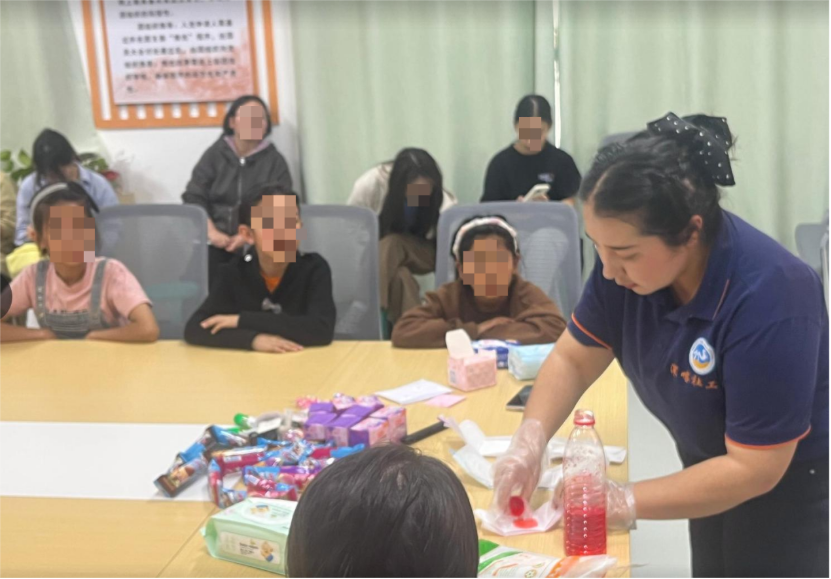
One student shared, “Through these classes, I’ve learned how to better protect myself. I also realized that this kind of education isn’t something to be afraid of or ashamed of.”
Aytila also introduces students to the idea of seeking help from trusted adults and formal channels when necessary. “I tell them that speaking up is an important way to stop harm and protect themselves,” she says. She reassures them that there are systems in place to support them, and that their privacy will be respected throughout the process.
At the same time, she has been increasing her outreach to parents—delivering five sessions in just the past three days. “My goal is not that every situation must follow the same path,” she explains. “What matters more is that when a child turns to a parent, the parent knows how to respond—how to comfort them, how to support them, and how to make thoughtful decisions about next steps.”
Ultimately, she hopes to help families move, step by step, from uncertainty and silence toward understanding and constructive action.
In the end, Aytila’s message is simple. She hopes that sex education can help children understand their bodies, respect themselves and others, and learn how to stay safe. “The most important thing,” she says, “is not whether a child is smart. The most important thing is whether the child is healthy.”
Aytila believes that change is possible—one classroom, one parent, one child at a time. It may be gradual, and often quiet, but each small shift matters: a student who learns to speak up, a parent who begins to listen, a family that finds a new way to communicate. For her, these moments are where real progress begins.

