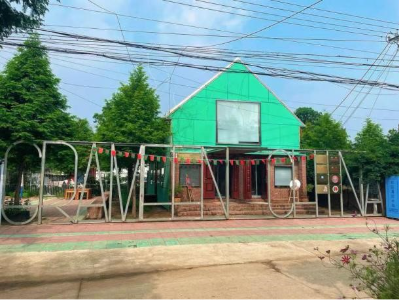
In the past, when rural women wanted to start businesses, they often encountered multiple layers of prejudice. Banks were unwilling to lend to them, families assumed that men should make the decisions, and even the women themselves often did not believe they could succeed.
Category Archives: Challenge
Climate Change and Grassland Restoration in Qinghai: Current Status and Challenges
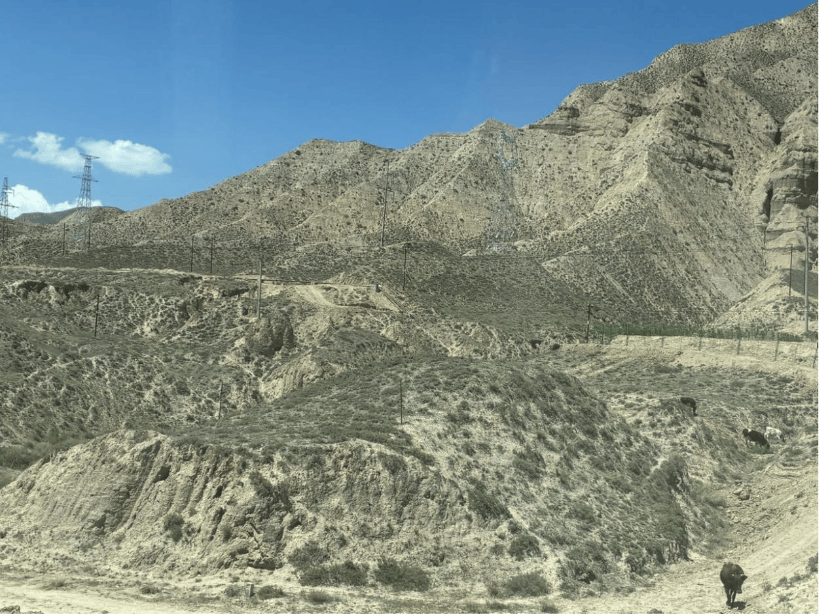
From 1961 to 2020, the baseline annual mean temperature on the Qinghai-Xizang Plateau was 4.6°C, with baseline values of 5.0°C for Xizang and 2.8°C for Qinghai. In 2023, the annual mean temperature in Xizang was 5.6°C, 0.6°C above the long-term average; in 2024, it was 3.9°C in Qinghai, 0.9°C above average.
Evaluating the Sustainability of Tibetan Communities in the Three-River-Source Region
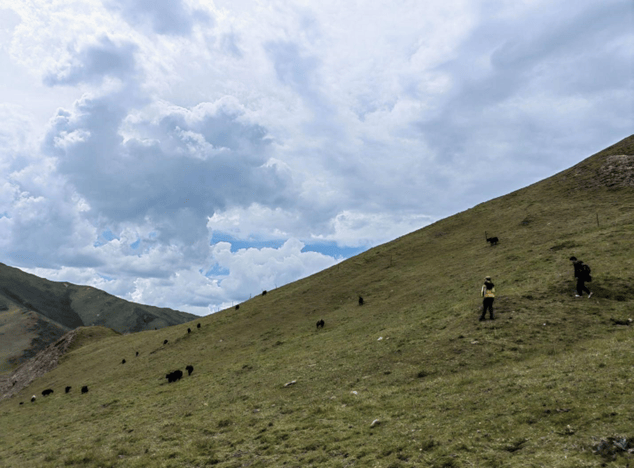
The Three-River-Source region is located in southern Qinghai Province, covering the entire territory of the Yushu Autonomous Prefecture, Guoluo Autonomous Prefecture, Hainan Autonomous Prefecture, Huangnan Autonomous Prefecture as well as part of the Tanggula Mountains.
《轮椅上的竞技》
“我养你”是周星驰主演的《喜剧之王》里的一句经典台词,这句暖心、照顾的话语,也被用在了许多残障人士身上,“你在家就行”“不要到处跑”“下半辈子我们照顾你”。
The Current State of the Circular Economy on Qingbang Island and Sustainable Island Development
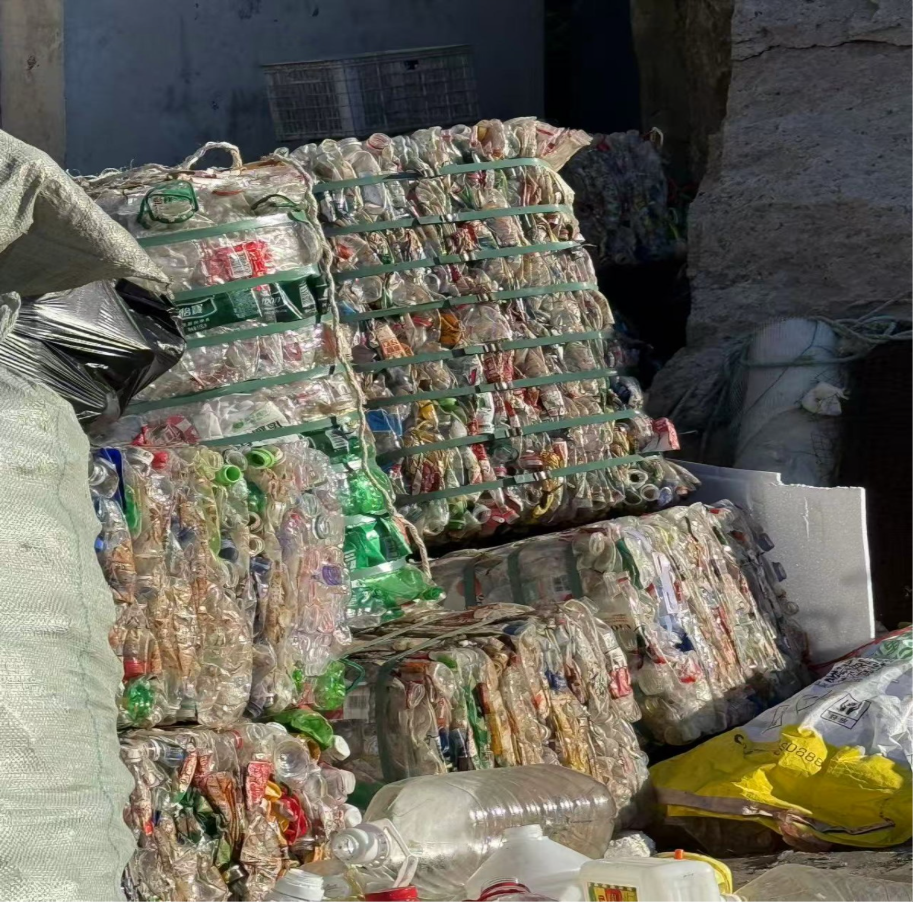
Qingbang Island lies in the Dongji waters of the Zhoushan Archipelago. It is an offshore island where the movement of people and supplies depends entirely on ship transport.
Trust Without Collateral: How Grameen Manages Credit Risk

Grameen Bank originated from a simple idea by Nobel Peace Prize laureate Professor Yunus—that the poor could obtain life-changing loans without collateral.
Breaking the Silence: Sex Education in Rural Xinjiang
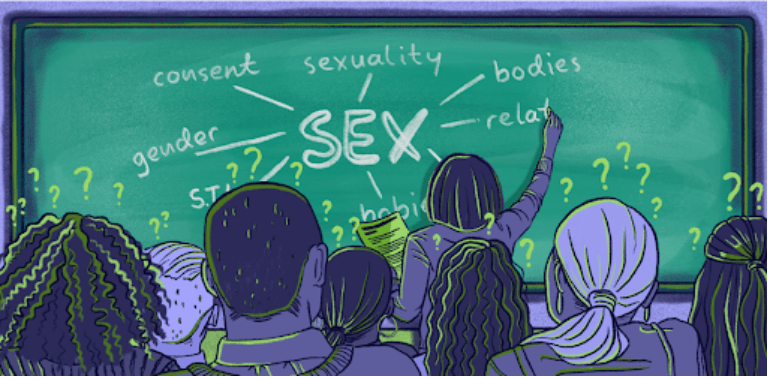
In many rural communities, sex education is still developing. While basic physical knowledge is gradually being introduced, emotional support and awareness of self-protection remain limited.
From Exploitation to Empowerment: Inside NightLight’s Holistic Fight Against Trafficking in Bangkok
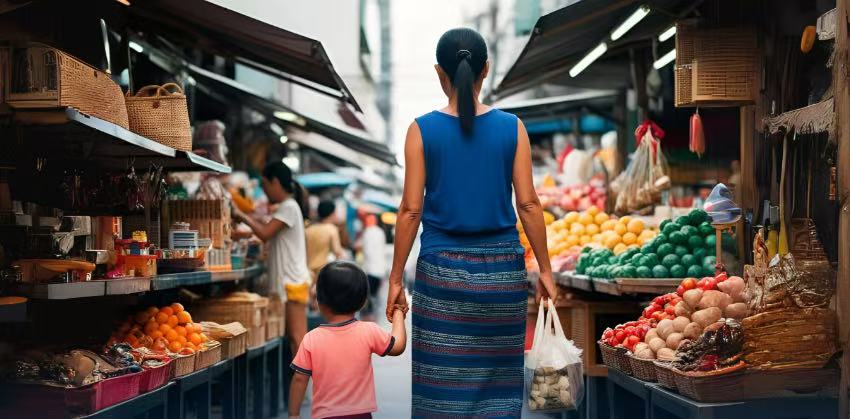
The neon lights of Nana on the red-light district flicker against the humid Bangkok night, casting a relentless pink glow over the street.
The Plight of Women in Kenyan Slums

According to data from the African Development Bank and the World Bank, Nairobi’s Kibera slum is one of Africa’s largest urban slums. Spanning less than 1% of the city’s area, it is home to an estimated 600,000 to 1.2 million people, accounting for roughly a quarter of Nairobi’s population. The unemployment rate here exceeds 50%.
Why We Need to Talk About The Impact of Flood in Myanmar’s Agriculture Sector
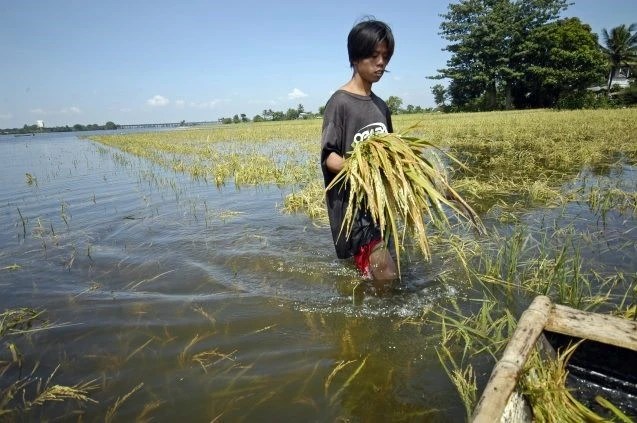
The agriculture sector is Myanmar’s main industry producing 23% of the country’s gross domestic product. With two-thirds of the population depending on it, the sector provides 70% of national employment. 51% of women who are members of households also depend on agriculture.

