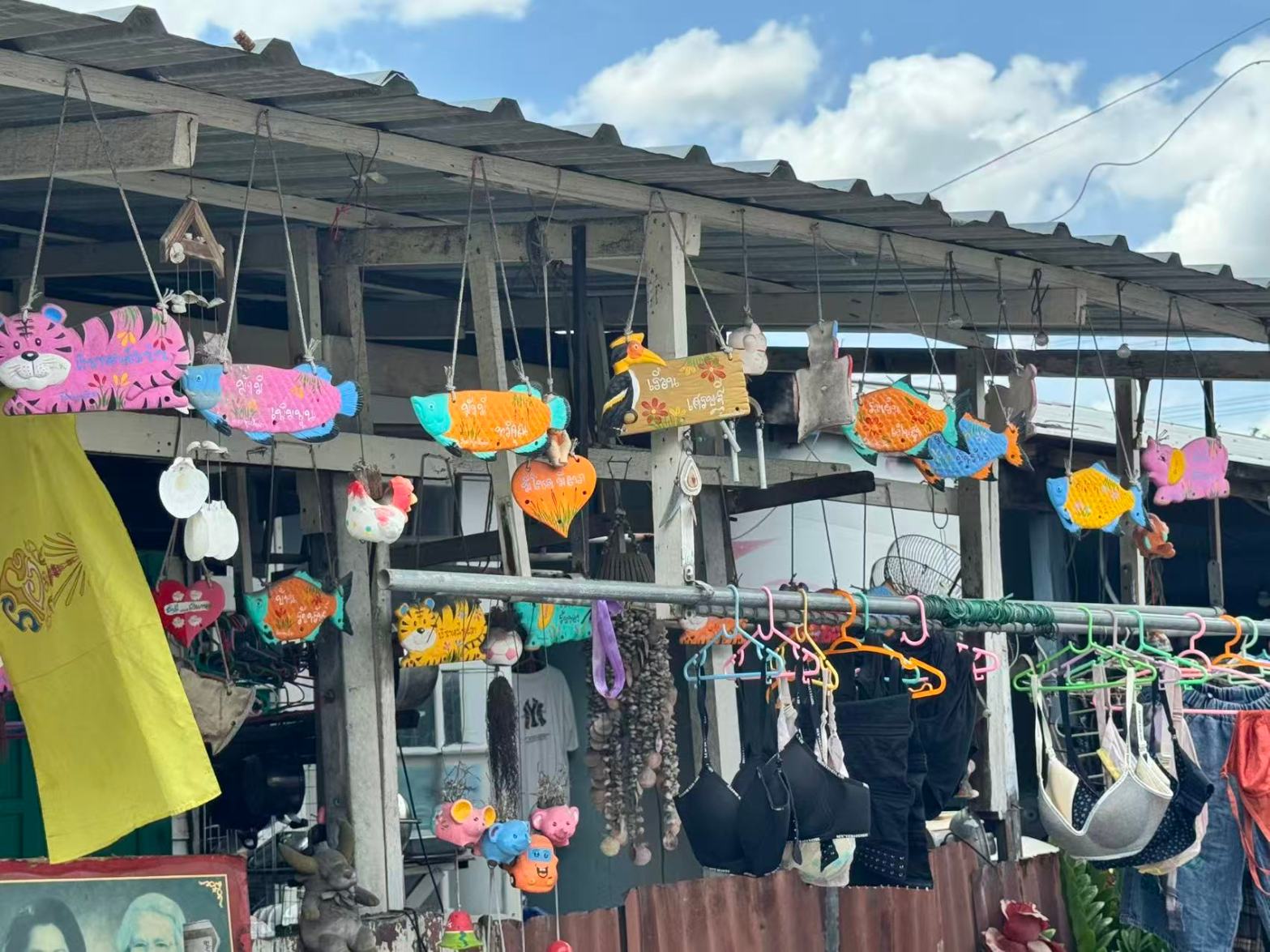
The experiences of these women show that refugees are already willing and able to rebuild their lives; what they lack is a stable environment in which those efforts can succeed. Only when their resilience is supported by greater legal security and continued social support can refugees build a future with greater security, dignity, and independence.
Category Archives: News
How do refugees survive without legal access to work, and what risks do they face in the informal economy?
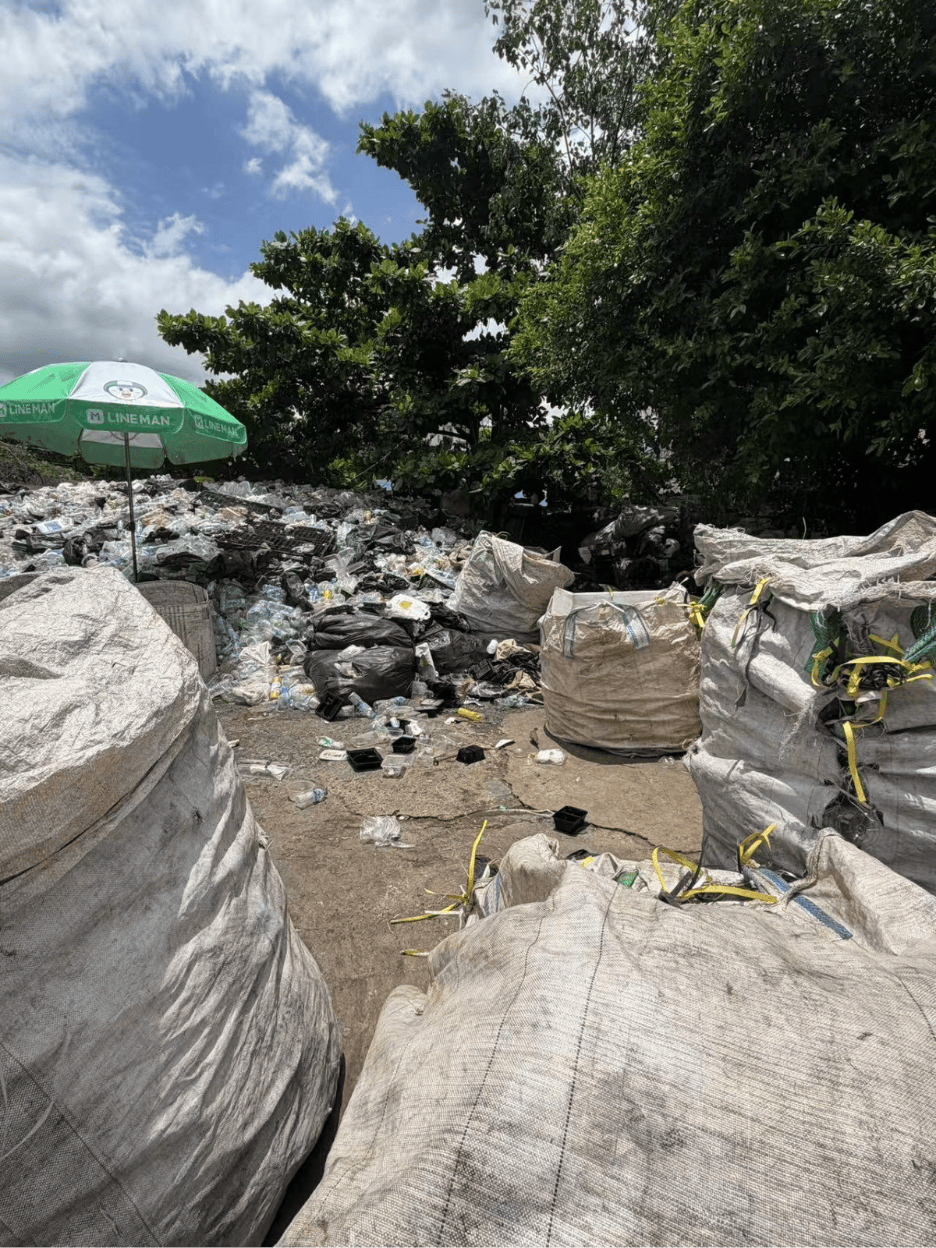
Their informal economy is evidence of a relentless need to adapt in a system which does not offer them any other solutions. But adaptation still has its limits.
How Thailand’s Legal Framework Shapes Refugees’ Lives: Economic, Social and Psychological Consequences
Overall, legal recognition is not simply about legal status; it is the foundation that determines whether refugees can move beyond survival and begin rebuilding their lives.
Mapping the Pain—How Refugees Navigate Life in Bangkok
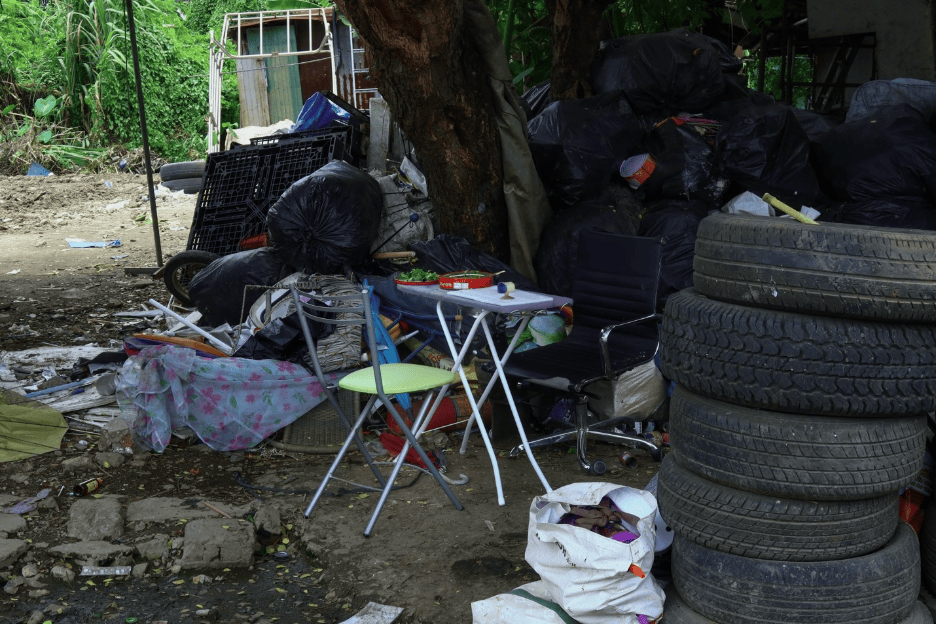
Refugees are people who are forced to flee their home country and seek safety elsewhere. However, their legal and procedural statuses can differ.
How Grameen Helps Rural Women Break Through Entrepreneurial Bias
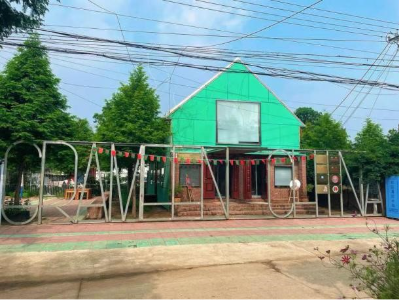
In the past, when rural women wanted to start businesses, they often encountered multiple layers of prejudice. Banks were unwilling to lend to them, families assumed that men should make the decisions, and even the women themselves often did not believe they could succeed.
From Exploitation to Empowerment: Inside NightLight’s Holistic Fight Against Trafficking in Bangkok
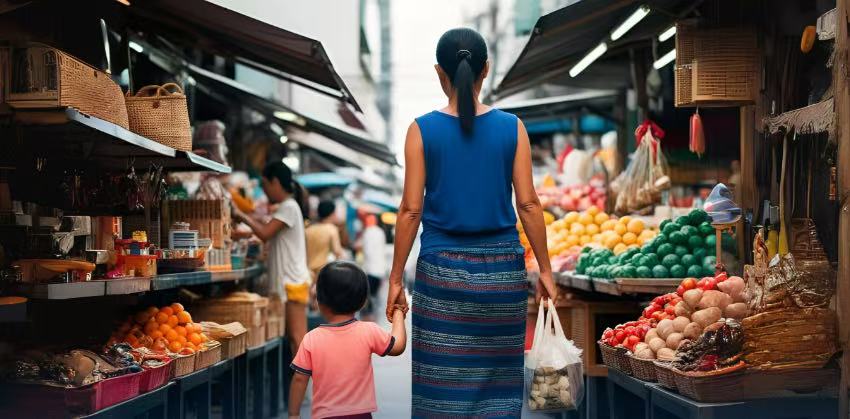
The neon lights of Nana on the red-light district flicker against the humid Bangkok night, casting a relentless pink glow over the street.
The Plight of Women in Kenyan Slums
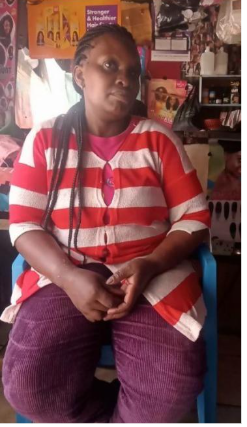
According to data from the African Development Bank and the World Bank, Nairobi’s Kibera slum is one of Africa’s largest urban slums. Spanning less than 1% of the city’s area, it is home to an estimated 600,000 to 1.2 million people, accounting for roughly a quarter of Nairobi’s population. The unemployment rate here exceeds 50%.
The Employment Dilemma and Breakthrough of Chinese Women with Disabilities
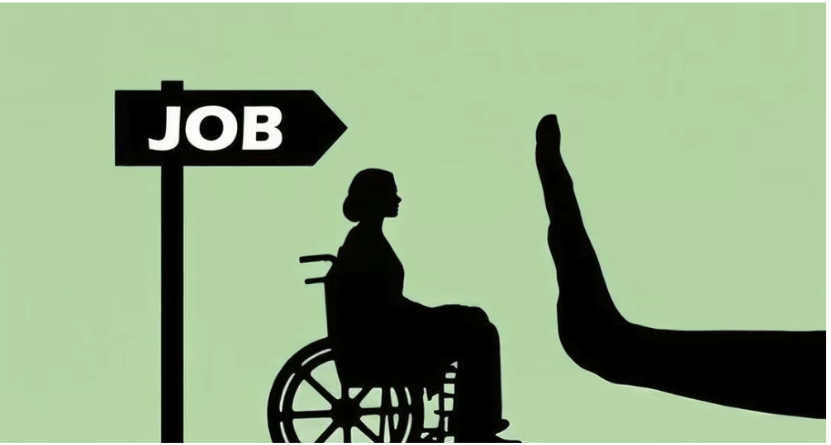
In China, there are 44.7 million women with disabilities, making up 52.2% of the total disabled population.
Why We Need to Talk About The Impact of Flood in Myanmar’s Agriculture Sector
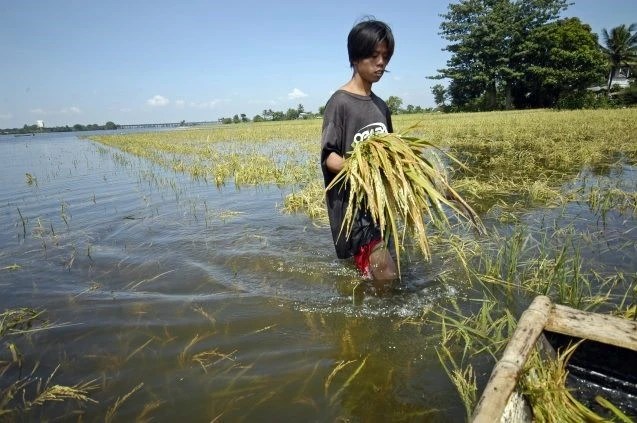
The agriculture sector is Myanmar’s main industry producing 23% of the country’s gross domestic product. With two-thirds of the population depending on it, the sector provides 70% of national employment. 51% of women who are members of households also depend on agriculture.
Climate Change and Glacier Retreat: A Comparative Study of New Zealand’s Tasman Glacier and China’s Weigledangxiong Glacier
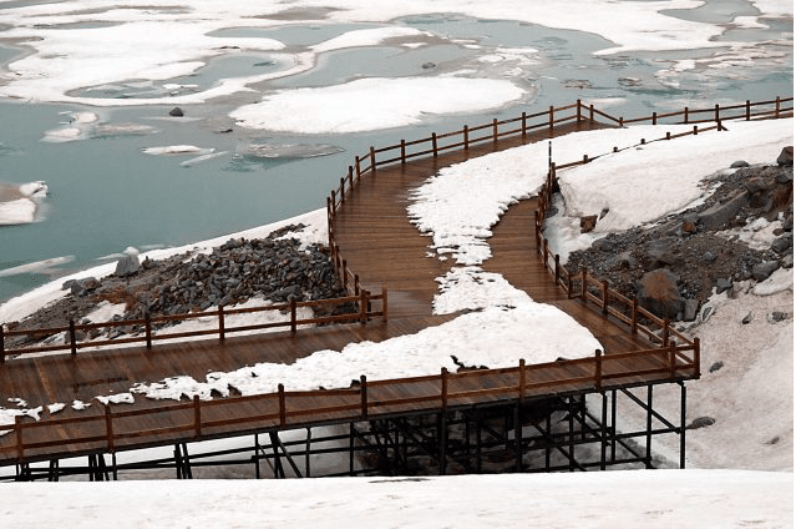
Glacier retreat is among the most visible indicators of contemporary climate change, reshaping high-mountain hydrology, ecosystems, and hazard regimes.

