By Jalynne Au
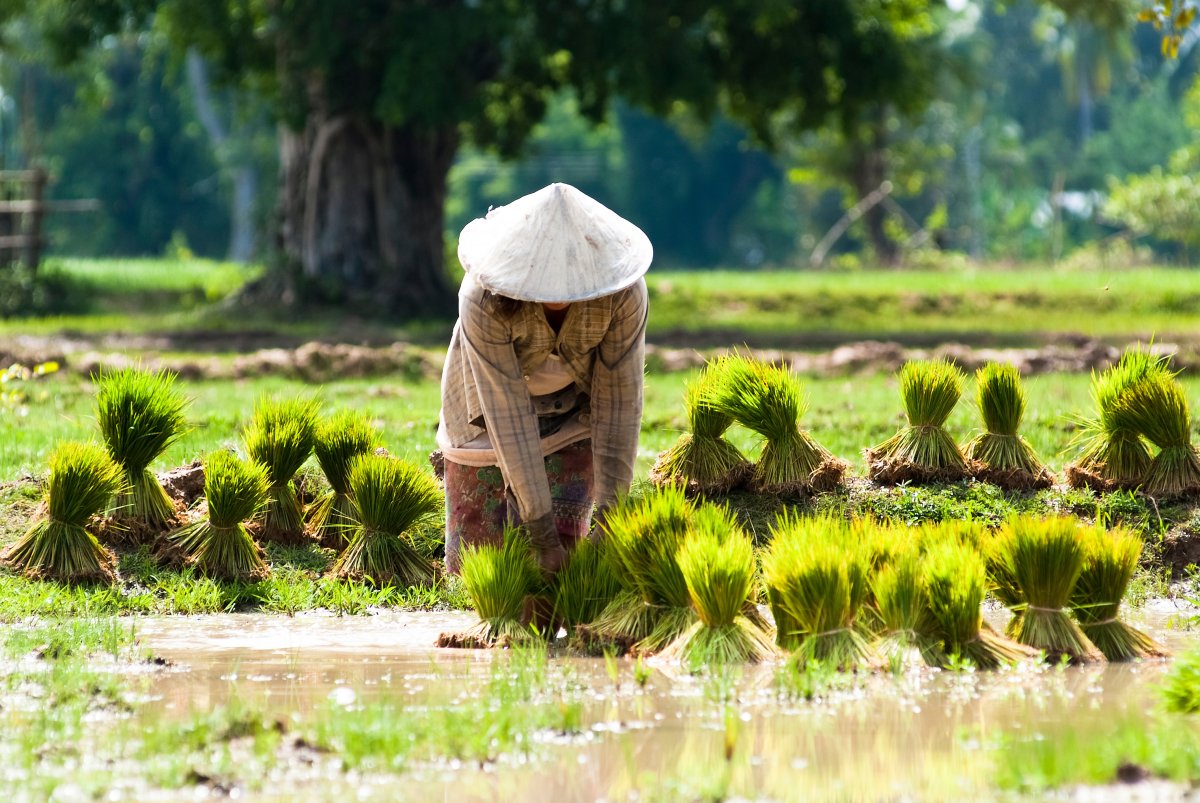
Laos is one of the poorest countries in the world and the poor people living in rural areas there face very severe food problems.
About 1.04 million people (13.9% of the population) were estimated to be moderately acute food insecure and 71,000 people (0.9% of the population) to be severely acute food insecure,” stated the report on the 2022 FAO/WFP crop and food security assessment mission to Laos1.
There are three main food-related challenges faced by poor people in Laos.
The first challenge is that there is not enough food.
In Laos, a lot of poor people’s only crop is sticky rice and cassava2 while they go to the forest to hunt for wild animals.
According to a member of HJA, a Laos NGO, in recent years, 20% of the people in Laos do not have enough food for the year3.
“They can’t sell the food! The rice that they grow aren’t even enough for the whole family to eat!”, an NGO staff commented.
The second challenge is the lack of nutrition in the food they eat.
“I have many young relatives, and you can just tell the moment you see them that they are malnourished as they are shorter than normal people and their hair has turned lighter”, said Charles. He is a Chinese who has been in Laos for 6 years, married a Laotian woman and together they own a restaurant in Vientiane.
“They don’t even have enough food, the lack of nutrition isn’t what they are concerned about now.”
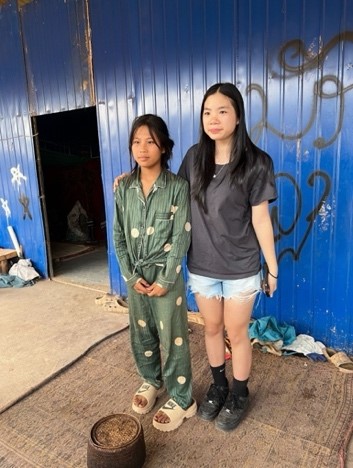
Due to a lack of proper nutrition, the growth of farmers and their children is significantly impacted. In Laos, 33% of children under 5 are stunted, meaning their growth is hindered. Additionally, 11% (or one in ten) children under five are wasted, indicating severe malnutrition. 24.3% of children in this age group are underweight, while 2.8% are overweight4. These nutritional deficiencies contribute to further health issues, including deformities, Down syndrome, and gallstones5.
And the third challenge is the poor hygiene habits while eating food.
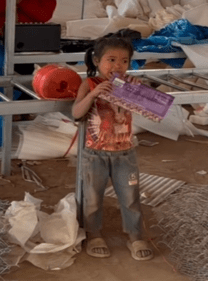
One hour away from Vientiane, the capital, we saw a child start to open a piece of chocolate with her hands filled with dust and dirt while holding up the chocolate to eat. Her mother, whose hands were also filled with dust and dirt, did not stop her and watched with no objection. This is what you could easily see in Laos.
At the same time, drinking water in Laos is contaminated with harmful chemicals and human waste, causing numerous health problems. Many rural communities lack awareness of proper sanitation and hygiene practices. Around 24% of the population practices open defecation, and only 28% of children’s feces are disposed of safely6. Additionally, many communities drink from the same cup, further compromising hygiene.
“If one person has an illness, the rest of the family will have that illness,” said one of the villagers from the north.
Reasons of Such Challenges
Firstly, these challenges are caused by the farmers’ low production rate of food from farms and forests.
A farmer from Lao Loum, has been farming for 20 years and now struggles with growing crops as all the nutrients from the soil has been used up from planting the same type of crop every time, not having the knowledge that she is supposed to change the crops to get nitrogen into the soil7. She have only learnt it now, after the NGOs taught them.
“I did not know that I was supposed to change the type of crops every time, so I have been planting the same crop every year”, she said.
Secondly, the rural farmers are impoverished so they do not have the money to have more land or buy food.
Poverty has increased in rural areas, thanks to inflation happening. The rural poverty rate dropped by 7.6 percent to 23.8 percent between 2013 and 20198.
“Inflation is causing the poor people to get even poorer as the prices of food, housing and others are increasing, the poor are struggling even more to buy them”, Charles said.
Lastly, the people are unaware and lack knowledge of nutrition and hygiene.
“I did not know I was supposed to wash my hands with soap before I eat.”, Matsia, a 14-year-old child from the rural areas has just recently learnt about cleanliness from the NGOs.

Slightly outside the capital city, a 14-year-old child used her dirty hands when spreading the sticky rice to cool it down. The dirt can clearly be seen on the rice, yet the family and the child are unaware that not cleaning their hands before eating or touching food is very unhygienic.
Solutions
To try to solve the food challenges for the poor people, many NGOs have been using different methods.
One main method is helping them increase food production in their farm.
HJA, founded in 2014, focuses on increasing involvement of rural and urban youth to create opportunities for Lao youth to strengthen their capacity to develop their communities through volunteer action9.
ADSA10 and Phan-Thin were founded in 2019 and 2018 respectively and are smaller NGOs that also come together to support poor families.
They have a project where they are collaborating to help families rear fish, as it’s a good way to create more food and earn extra profit. Since catfish do not need much oxygen and can survive in harsh conditions, they are low-maintenance and can be easily taken care of. “We supply them with the fish and seeds while they must have the farming land.”
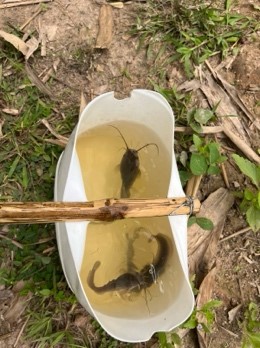
The three NGOs have supplied 350 catfishes and a fishpond to a family from Lao Loum. Before this project, the mother was a housewife, just looking after kids daily at home. However, she wanted to do something more for the family, and this project helped her achieve it. She now can sell 2-3 catfishes grown for 35,000 kip and earn extra money for her family.
Another one is teaching them about food, nutrition and hygiene.
HJA has an awareness programme where they go to the north and south, organizing 1-day workshops to train the poor villagers, and make them understand about hygiene and nutrition. They take the villagers around the village to look at the feces, and let them know what the different kinds of sicknesses they have based on their feces.
These efforts have made a big difference to the farmers but there are still many things that can be done.
Reference
 Youth For SDG