Arthor:Hu Jinlin, Derek Chan, Zhang Tianyue, Wang Yucheng, Wang Jianing(no particular order)
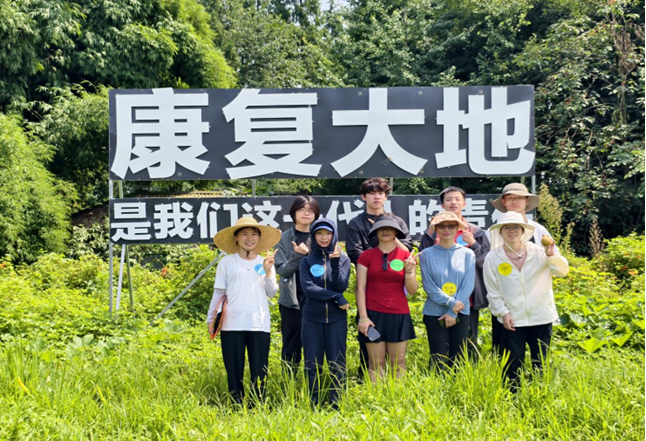
“Restoration of the land is the responsibility of our generation,” said Apple, a farmer from Yuanxiang Farm.
In the broader context of humanity’s pursuit of harmonious coexistence with nature, ecological agriculture has increasingly demonstrated its value as a model for sustainable development. Rather than simply rejecting modern technology, ecological agriculture is guided by strong environmental and economic principles. It employs systematic design and meticulous practices to recycle and reuse resources, while minimizing the use of chemical pesticides, fertilizers, hormones, and other external inputs.
The ultimate goal is to integrate economic productivity, environmental protection, and social well-being, thereby promoting a development model that balances the needs and rights of both current and future generations.
Not only does the ecological agriculture model help reduce environmental pollution, improve soil health, and convert waste into valuable resources, but it also establishes a strong foundation for food safety and accident prevention at the source.
As a significant ecological buffer zone in western China and a vital city within the agriculturally rich Chengdu Plain, Chengdu’s unique geography and development needs make it an ideal location for exploring and implementing ecological agricultural practices.
This article will focus on farm-level practices in the Chengdu region—examining methods of environmental protection in crop and livestock production, the creation of internal ecological cycles, and the benefits of producing safer, higher-quality agricultural products. It will also explore the practical challenges involved in transitioning to and sustaining ecological farming systems.
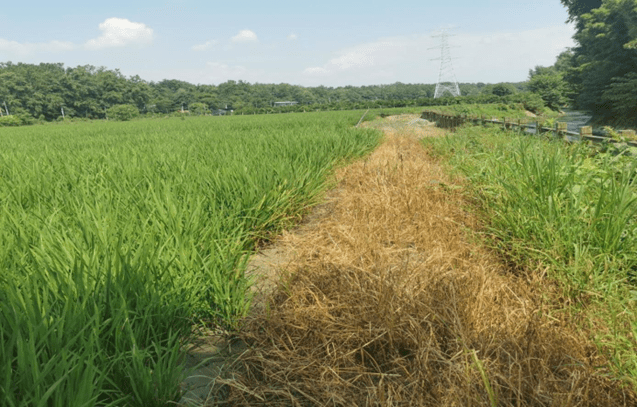
Planting and breeding of Ecological Agriculture—Effectively Protecting Environment
n terms of soil management, ecological agriculture seeks to minimize the use of chemical fertilizers, effectively preventing issues such as soil acidification and compaction. Xue Mei’s family farm, located in Tangchang Town, Pidu District, primarily uses plant-based fertilizers. By composting kitchen waste and fallen leaves, they improve soil quality and reduce the risk of compaction. According to Xue Mei’s experience, “Composting with dead branches, leaves, and vegetable scraps takes about 3 to 6 months and provides essential nourishment for microorganisms.”

Nearby Yuanxiang Farm initially faced similar soil challenges. However, since they began using organic fertilizer made from clean sheep manure fermented in the Xilingol region of Inner Mongolia, conditions have improved significantly. Mrs. Apple from Yuanxiang Farm explained, “The sheep manure we use poses no heavy metal risks. The feed is non-GMO and grown in an uncontaminated environment. Initially, we suffered from severe soil compaction, but after three years of applying organic sheep manure, the organic matter content increased to 3–4%, with a noticeable rise in the earthworm population.” Earthworms are key indicators of soil health—their proliferation signals improved nutrient levels and healthier environmental conditions.
Ecological farms also refrain from using herbicides and traditional plastic mulch products. As Mrs. Xue Mei explained, “We avoid herbicides because, once applied, they take 20 to 30 years to fully decompose. We don’t interfere with weeds unless they affect crop growth; if they do, we remove them manually and return them to the field.” At Yuanxiang Farm, conventional plastic mulch has been replaced with a biodegradable film made primarily from PLA (polylactic acid) and corn starch—materials that are environmentally friendly and fully biodegradable.
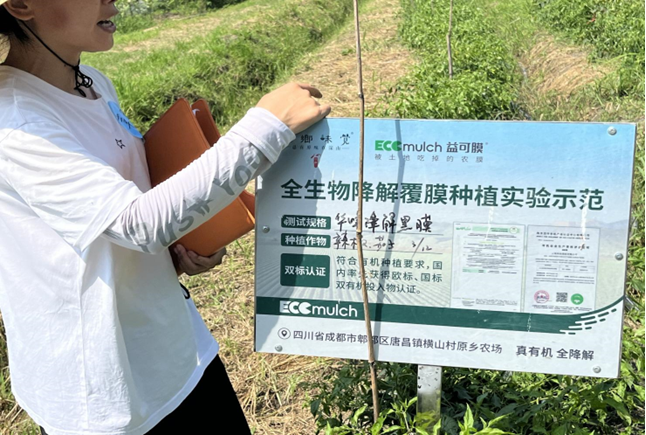
Ecological farms refrain from using herbicides or traditional plastic mulch products. As Mrs. Xue Mei explained, “We avoid herbicides because, once applied, they take 20 to 30 years to fully decompose. We do not interfere with weeds unless they affect crop growth; if they do, we remove them manually and return them to the field.” Yuanxiang Farm has replaced conventional plastic mulch with a biodegradable film made primarily from PLA (polylactic acid) and corn starch—materials that are fully biodegradable and pose no harm to the environment.
By avoiding chemical fertilizers and pesticides, including herbicides, ecological farms also contribute to the protection of nearby water ecosystems. At Xue Mei’s family farm, which is located adjacent to the Bai Tiao River, the use of chemical fertilizers and pesticides is prohibited within a 100–200 meter radius. In addition, there are restrictions on large-scale animal husbandry. Mrs. Xue Mei remarked, “Living next to a drinking water source limits livestock farming. As a result, we achieve sustainable agricultural cycles through composting, while also preventing water pollution.” Moreover, chemicals such as herbicides can severely contaminate water sources. Instead of using conventional pesticides, her farm often applies chili pepper spray as a natural alternative.
While ecological farmers abstain from utilizing chemical fertilizers or pesticides altogether, the biodiversity around them has also been preserved effectively. This natural state of biodiversity serves as an effective deterrent against pest outbreaks. Mrs. Apple noted: “Under extreme weather conditions, we may use small amounts of biopesticides like neem oil for pest control, but biodiversity itself can suppress pest infestations.” At Xue Mei’s family farm, one can clearly observe various insects thriving across fields; they prey upon one another, maintaining ecological balance. Xue mentioned that aside from significant increases in pests due to extreme weather events, there is little need for further pest management.
Yuanxiang Farm attracts flocks of egrets due to its geographical location rich in weeds providing favorable habitats for these birds. As Mrs. Apple expressed, “Egrets gather at our farm feeding on cabbage worms, although some loss occurs among cabbages. However, this harmonious relationship and the coexistence of insects and birds are signs of an ecological balance.
Farm Ecological Cycles–Enabling Resource Reuse
Ecological cycling is a vital component of ecological agriculture. It refers to the process within an ecosystem whereby materials cycle from the environment through producers, consumers, and decomposers, and ultimately return to the environment. This completes a transformation from simple inorganic compounds to complex organic substances—and back again.
Composting is a key example of material cycling and resource reuse. Ecological farmers utilize dead branches, fallen leaves, kitchen waste, and other organic matter for composting. This not only repurposes what would otherwise be considered “waste” but also fosters microbial communities that enhance soil fertility. At Tangjia Liangliang Farm in Jintang County, for instance, kitchen waste is mixed with wood debris to produce compost. This approach solves waste disposal issues while supplying essential nutrients for soil microorganisms.
Ecological farmers also leverage symbiotic relationships between plants and animals. One well-known example is the rice-duck co-culture system. In this system, ducks are released into rice paddies, where their natural foraging behavior helps control weeds and pests. Their continuous movement also oxygenates the water, benefiting rice growth. Moreover, duck droppings directly fertilize the field, gradually increasing soil fertility.
At Chuxin Lanyuan Farm in Pidu District, Auntie Li shared that she has used this method for years to fertilize her rice paddies. “Approximately 25 ducks can be deployed per mu (about 0.067 hectares) for simultaneous foraging and fertilization,” she explained. Her flock of over 100 ducks effectively closes this ecological loop, minimizing the need for chemical fertilizers. As a result, the fertility of her paddies has increased year by year. Selling the ducks at the end of the season also brings in additional income. “Releasing ducks into the field is like hiring natural fertilizer workers,” Auntie Li joked.
Natural predators also play a key role in preventing crop diseases and pest outbreaks, forming mini food chain cycles within the ecosystem. At Tangjia Liangliang Farm, a small lotus pond sits next to the fields. Frogs from the pond venture into the farmland at night to feed on insects. Mr. Tang, the farm’s owner, humorously refers to this arrangement as their “frog villa.”
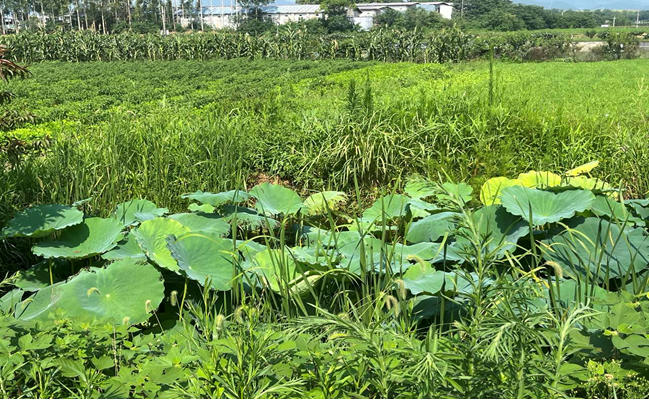
Biogas digesters represent another dimension of ecological cycling and resource reuse. Mr. Tang ferments accessible materials—such as brown sugar, weeds, fruit peels, and animal excrement—to produce biogas. The resulting biogas slurry is applied directly as liquid fertilizer, while the solid digestate (biogas residue) is returned to the soil, improving structure and providing nutrients for microorganisms. The biogas itself is used as a clean energy source for cooking on the farm or in nearby homes. Defu Farm, located nearby, also adopts this system.
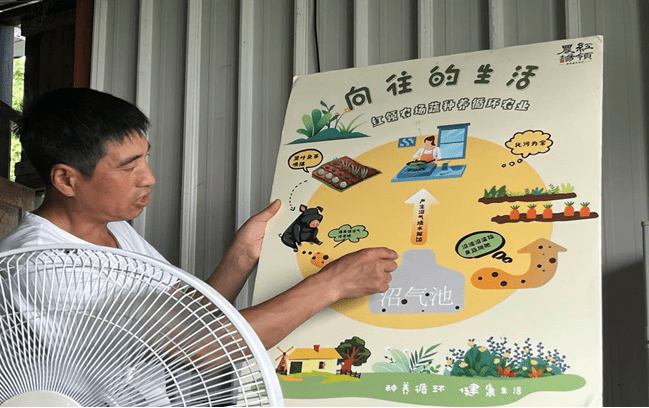
Many other integrated cultivation–breeding cycle models have emerged in ecological agriculture. One example is the “Pig–Biogas–Fruit” ecological cycle system. In this model, pig manure is used to feed biogas digesters. The resulting biogas is used as cooking fuel, while the slurry and solid residue fertilize fruit trees and vegetables. Some of the harvested vegetables are chopped and reused as supplementary pig feed. At Hongling Farm, Mr. Han has successfully implemented this method to close the loop and maximize resource efficiency.
Products of Ecological Farms — Fewer Risks and Healthier Food
The initial motivation for many ecological farmers is to provide their families with safer food. Illnesses within their families have led many of them to transition to ecological farming. For example, Mrs. Apple of Yuanxiang Farm became a committed consumer of organic food after experiencing serious pregnancy complications, determined to ensure a reliable and healthy food source for her children and herself. In 2023, her transition coincided with the demand of the Yuanxiang Weijue company, and she formally became involved in organic agriculture.
Ecological farmers carefully manage every step of the production process, aiming to provide food with the fewest possible risks to consumers. When asked why she doesn’t use fish viscera to accelerate composting, Xue Mei explained that although adding viscera could shorten composting time by nearly 30%, it may also introduce excessive metals or hormones. Her farm prefers using a plant-based composting approach—sacrificing efficiency, but not consumer safety.
To prevent external contamination, Mr. Lei has developed several strategies. His farm includes multiple buffer zones to protect against herbicides and pesticides from nearby conventional farms. First, he chose to forgo cultivating fields in lower-lying areas, which are more prone to contamination from adjacent chemical farming zones. He also utilizes the forest that separates his ecological farm from neighboring farms as a natural barrier. Regarding water sources, Mr. Lei carefully surveys the environment to locate clean, uncontaminated aquifers, then drills wells accordingly to ensure safe irrigation.
In addition to avoiding chemical fertilizers, ecological farmers have also developed effective alternatives to conventional pesticides. At Yuanxiang Farm, for instance, a natural ferment made by combining traditional Chinese medicinal herbs such as neem is used to control pests and plant diseases. The result is a harmless biological pesticide that can be directly applied to the surface of crops.
Ecological farm products not only pose fewer consumption risks but also offer higher nutritional value. Yang Xin, an ecological agriculture specialist, shared his analysis of the organic kiwi fruits he grows: “In 2015, we tested our kiwi fruit and found its dry matter content reached 16.5%. That surpasses even the quality of New Zealand-grown kiwis.” From a nutritional standpoint, high dry matter content is a clear advantage. According to Flottweg’s official website, dry matter is an important indicator of nutritional value. Mrs. Li, owner of Chuxin Lanyuan Farm, also noted that when comparing dried versions of her ecological vegetables with conventional ones of similar initial weight, hers consistently weighed more—indicating greater nutritional density.
Challenges in Eco-Agricultural Sales
Eco-agricultural product sales typically fall into two categories: online and offline. Compared to offline markets, most eco-farms primarily rely on online platforms such as e-commerce websites, WeChat mini-programs, and micro-stores. In addition, many eco-farms also report that agricultural experience activities account for a portion of their income.
One major challenge in eco-agricultural sales is product promotion and marketing. High-quality advertising and branding are often difficult for eco-farmers, many of whom acknowledge that these skills are not their strong suit. Regarding mainstream online promotional methods such as short videos and livestreaming, Mrs. Apple said, “We’re not very good at it; it’s simply not in our nature. We just can’t keep up with internet trends—we don’t have that kind of instinct.” Mr. Han from Hongling Farm also commented, “We don’t have that much energy. It’s not realistic for a family farm to do livestreaming.”
Even when farmers want to try such methods, producing high-quality short videos is prohibitively expensive. Mr. Lei from Defu Farm shared that he had attempted to create a few promotional videos for their eco-agricultural products, but the cost per video was simply unaffordable. “One video cost five to six thousand yuan; we just don’t have the money to keep making them,” he said.
Organic certification is another significant challenge eco-farmers face. Organic standards require strict adherence not only to ecological practices such as avoiding chemical fertilizers, herbicides, and pesticides, but also to maintaining buffer zones. For many eco-farmers, obtaining certification is especially difficult because it involves compliance with both farming methods (e.g., zero chemical input) and financial requirements, such as registration and inspection fees, which typically amount to tens of thousands of yuan.
Mr. Yang Xin shared, “Tens of thousands of yuan may not seem like much to white-collar workers in the city, but for eco-farmers who are already struggling financially, it’s not an amount they can easily come up with. What’s more, organic certification must be renewed and paid for every year.” Mrs. Zhang from the online sales platform Tian’an Life said, “During the organic conversion process, yields drop—and so does income. If your production volume is low and you only earn ten or twenty thousand yuan a year, it all goes toward certification fees.” Auntie Li from Chuxin Lanyuan also noted, “If you go through organic conversion, your yields decrease, and so does your income. Without a certain production scale, organic certification simply isn’t feasible.”
Beyond this, eco-farms also face increasing challenges from extreme weather, such as high temperatures and humidity, which contribute to climate-related disasters. Heavy rain, scorching sun, and prolonged humidity often lead to plant diseases like downy mildew and gray mold. Xue Mei remarked that extreme weather, especially heavy rainfall, is a difficulty small eco-farms simply cannot overcome: “We see a good harvest coming, and then the weather destroys it.” Worse still, extreme weather events like torrential rain are beyond human control. Even with rain shelters in place, water often seeps through gaps and damages the crops.
As extreme weather becomes more frequent, Mrs. Zhang from Tian’an Life emphasized that farmers need to adapt by building resilient micro-ecosystems—adjusting production schedules, changing crop varieties, and adopting other risk management strategies.
References:
1.Ecological Argriculture:
https://baike.baidu.com/item/%E7%94%9F%E6%85%8B%E8%BE%B2%E6%A5%AD/904975
2.Ecological cycling:
3.Definition of dry matter:
https://www.flottweg.com/wiki/separation-technology/dry-substance-content-ds-content/
 Youth For SDG