Gracie Shen
Native American communities have faced numerous challenges over the centuries, many of which continue to impact their daily lives. Native American women and Two Spirit individuals, in particular, navigate a landscape marred by alcoholism, drug addiction, domestic violence, and systemic marginalization.
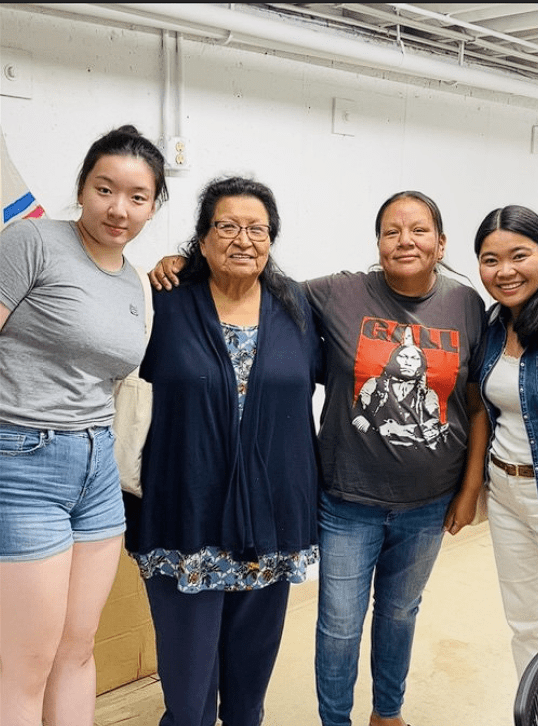
This essay sheds light on these challenges through a narrative lens, sharing real-life experiences of those who endure and overcome them. By weaving together these stories, we can gain a deeper understanding of the pervasive issues in these communities and recognize the incredible strength and resilience that define them.
Alcoholism and Drug Addiction
Alcoholism and drug addiction significantly impact Native American communities. Research shows that Native Americans are more likely to suffer from alcohol use disorders than any other ethnic group in the United States, with a prevalence rate of 12.1% compared to 7.6% in the general population. Additionally, a 2018 study from the Substance Abuse and Mental Health Services Administration reported higher rates of illicit drug use among Native Americans, with 18.2% reporting past-month use compared to 10.3% in the general population.
This disparity can be traced back to the introduction of alcohol by European colonizers, as Native American cultures had no prior exposure to alcohol before their arrival.
Yet generations of trauma inflicted by colonizers, such as the establishment of boarding schools and forced removals, have profoundly affected Native American communities. These traumatic experiences have led many Native Americans to use alcohol and drugs as a means of escaping reality rather than for social or recreational purposes. Consequently, this coping mechanism has been passed down through generations, with later generations also turning to alcohol or drugs to avoid confronting their painful histories. This has resulted in numerous tragic incidents related to alcohol and drug abuse.
Matt and Margie Useknife, an elderly Indigenous couple, provide a poignant example of the complexities surrounding addiction and resilience in Native American families. Matt, a renowned scholar and artist, and Margie, a dedicated teacher, have built a strong and successful family, a rarity in many Native American communities encountered during field studies.

Despite their current stability, both Matt and Margie faced significant challenges in their younger years. As young adults, they each fell into the grip of alcohol addiction, a common plight among their peers. The burden of addiction was compounded by the immense personal losses they endured due to alcohol. Margie lost her younger brother to alcohol overconsumption, a tragedy that deeply scarred her. Matt’s loss was even more profound; he lost both his younger sister and younger brother to alcohol-related deaths.
Similarly, Little Hawk struggled with drug and alcohol addiction from a very young age. Her addiction journey began in her teens, when she first started using substances to cope with the traumas of her upbringing. The cycle of addiction gripped her tightly, leading to an arrest and eventually a lengthy prison sentence.
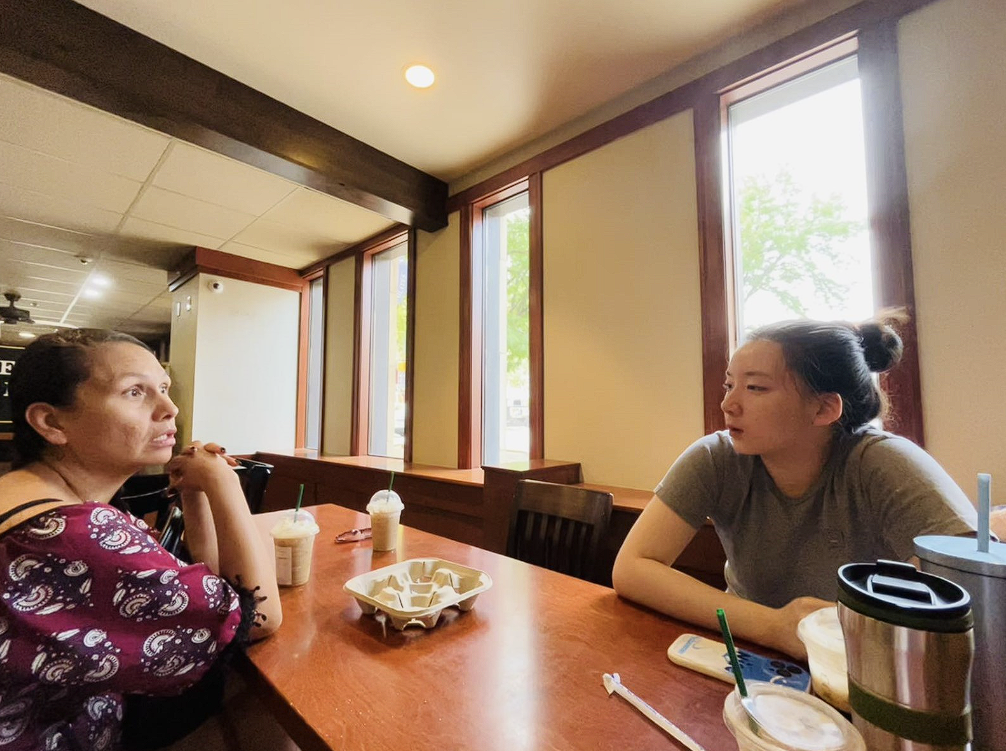
After spending several years in prison, Little Hawk emerged with a renewed determination to reclaim her life. She has been sober for over half a year, a significant milestone in her recovery journey. Her decision to turn her life around was fueled by the birth of her children. During her pregnancy with her eldest daughter, Little Hawk was still heavily addicted to durg, resulting in her daughter being born with physical disabilities. Her second child also suffers from health issues, consequences of Little Hawk’s substance abuse during pregnancy. The guilt and sorrow she felt for her children’s suffering became a powerful motivator for her sobriety.
Stevie, another Native American mother, shares a similarly challenging journey. Stevie, a mother of two, has been sober from drugs and alcohol for more than half a year. Her path to sobriety has been fraught with difficulties, compounded by the separation from her children. Her children are currently in foster care, a painful reality that Stevie is working tirelessly to change.
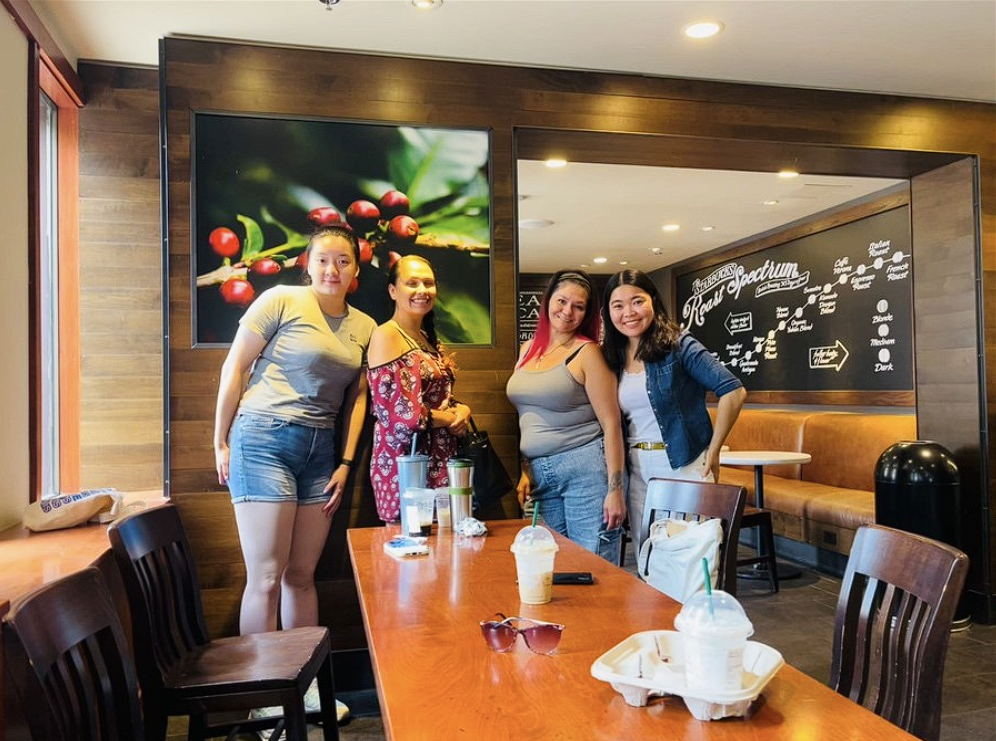
Stevie’s battle with addiction began in her early adulthood. Like many others in her community, she turned to substances as a way to cope with the pain and trauma of her past. The addiction took a heavy toll on her life, affecting her ability to care for her children and maintain stable employment. Stevie’s eldest son, now 18, has also fallen into the grip of drug addiction, a heart-wrenching consequence of the cycle of substance abuse within the family.
Domestic Violence
“There is almost no woman who is an exception from domestic violence in native community.” Arlana Bettelyoun, the Executive Director of the Oglala Lakota Children’s Justice Center in Pine Ridge said.
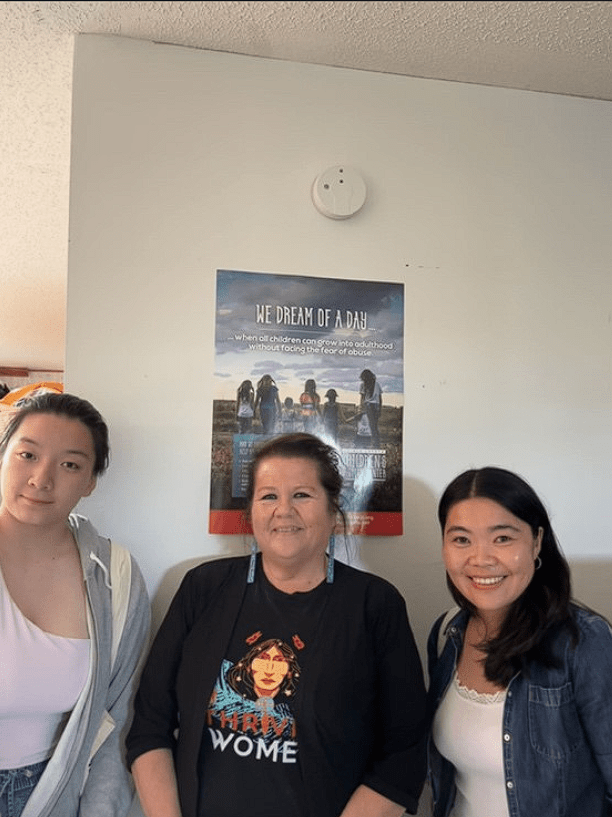
Domestic violence among Native Americans is extremely common, with nearly every Native American woman experiencing some form of it. This high incidence can be attributed to a history of colonization and the resulting social and economic hardships. The loss of traditional cultural practices and the imposition of foreign social structures have exacerbated the vulnerability of Native American communities to domestic violence.
In 1977, Norma Rendon, founder of the organization “Where All Women Are Honored,” experienced an abusive relationship that nearly took her life. This traumatic experience motivated her to establish a group to support Native women suffering from violence. She shared harrowing stories of the cases she encountered in her work.
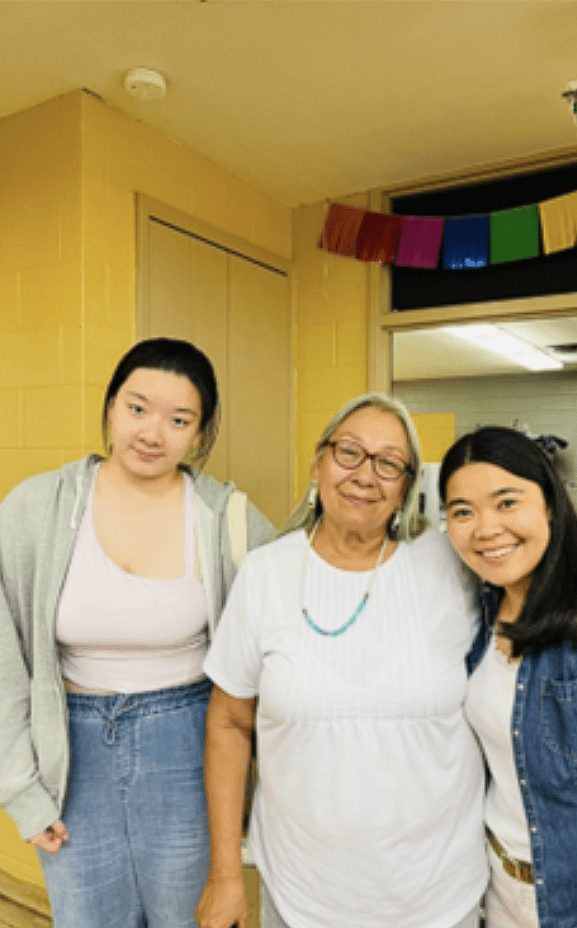
One woman, whom Norma frequently sheltered, was trapped in a cycle of abuse that she found nearly impossible to escape. Despite Norma’s repeated warnings and offers of help, the woman kept returning to her abusive husband. Norma once told her, “If you go back to him, I might be burying your body soon.”
The woman explained that her husband, when sober, was loving and caring to her and their child, making it difficult for her to leave permanently. She clung to the hope that he could change. Tragically, during one of his drunken episodes, her husband became violently enraged. As she held their infant son in her arms, trying to shield him from the blows, her husband struck them both. The mother was beaten severely, but the baby, having suffered a devastating head injury, did not survive.
Another tragic story involves a young couple in their early 20s who gave birth to a son. They abstained from alcohol and drugs during the pregnancy but resumed drinking shortly after the baby’s birth. One night, after sending their child to his grandmother’s, they began drinking heavily. The man became extremely intoxicated, started taking drugs, and locked his wife in a room before setting the house on fire. The woman tried desperately to escape but was trapped and burned alive. The man, having lost consciousness from his excessive intake of drugs and alcohol, also died in the fire. Investigators discovered the charred remains of the couple and found evidence of the woman’s desperate attempts to escape, underscoring the sheer terror of her final moments.
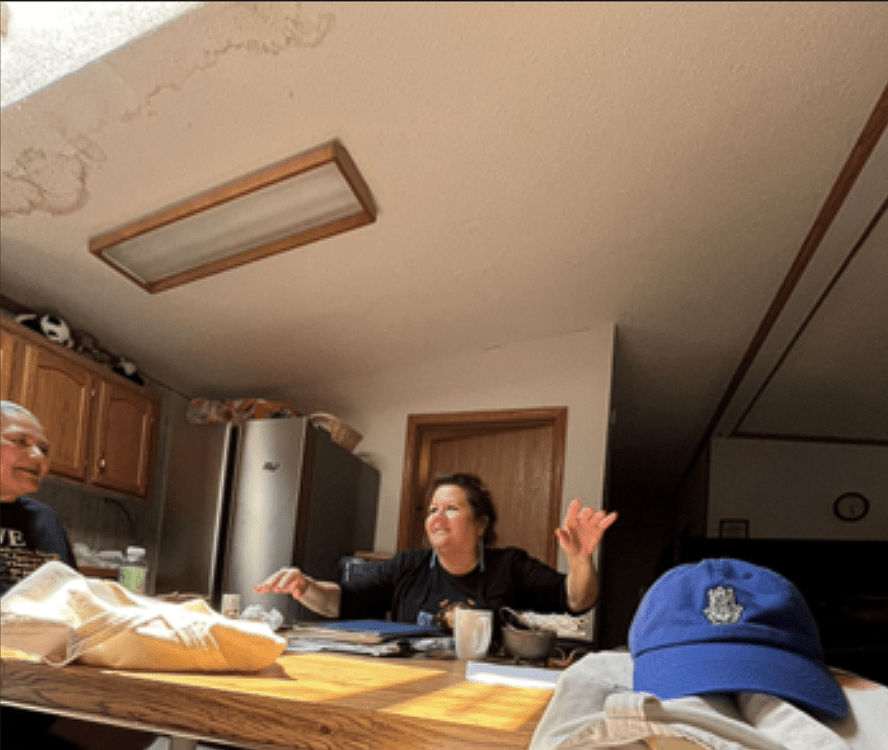
Additionally, Arlana Bettelyoun shared her personal experience as a domestic violence victim. Despite being married to a police officer, she endured years of abuse before deciding to divorce him. Her children, deeply affected by the trauma, became involved in drug dealing and imprisonment. Arlana now cares for her grandson, who was just a few months old when her son was incarcerated. She emphasizes that domestic violence is nearly universal among Native American women, stating, “There is almost no one who is an exception.”
Little Hawk’s story is equally heart-wrenching. She recounted the abuse her mother suffered at the hands of multiple husbands. Little Hawk vividly remembers hearing her mother’s screams after being beaten by her stepfather in the next room.
Missing and Murdered Indigenous Women (MMIW)
Cases of missing and murdered Indigenous women (MMIW) are alarmingly common among Native American communities. Statistics show that Native American women are murdered at a rate ten times higher than the national average, and more than 5,700 cases of missing Native American women were reported in 2016 alone. Despite these figures, there is a significant lack of comprehensive data due to underreporting and misclassification.

Posters with information about missing women are a common sight, often plastered on poles and walls throughout Native American reservations. The issue is deeply rooted in historical and systemic neglect, racism, and lack of adequate law enforcement support. The jurisdictional complexities on reservations often lead to delayed or inadequate responses to reports of missing persons. Additionally, the intersection of poverty, high crime rates, and inadequate resources exacerbates the situation, making Native American women particularly vulnerable.
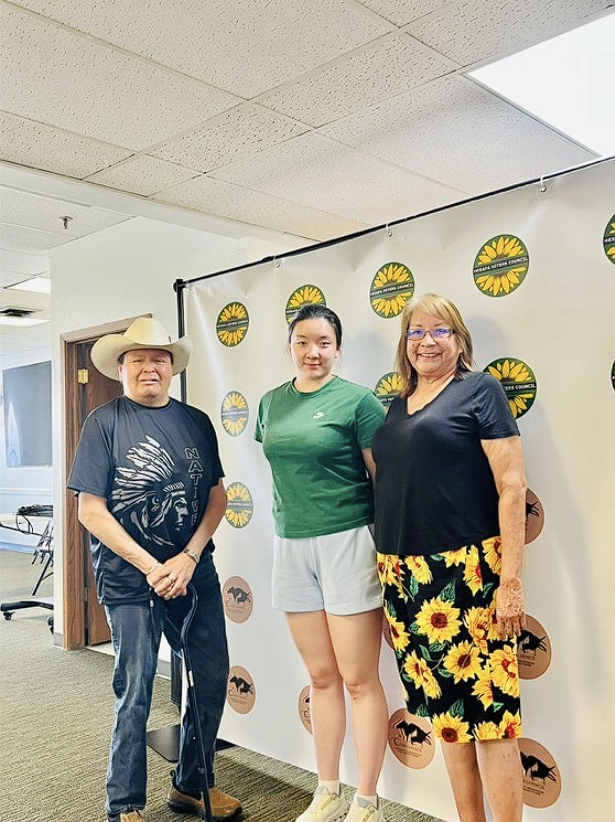
Jean Roach, the treasurer of the Coup Council, shared a chilling personal account. Roach recounted how her colleague’s daughter was kidnapped in broad daylight. This shocking event underscores a terrifying reality that many in the Native community face daily. According to Roach, a widely accepted statement in the Native community is, “Human traffickers, often identified as Mexicans, are kidnapping Indigenous women from the streets in broad daylight, and these women disappear. These kinds of cases keep happening every day, but without proper notice and support by the government or local police force, it will only continue to happen, and the number of missing women will only increase.”
Norma Rendon’s organization, Where All Women Are Honored, uses social media platforms to raise awareness and share information about missing Indigenous women, helping to spread the word and mobilize community support.
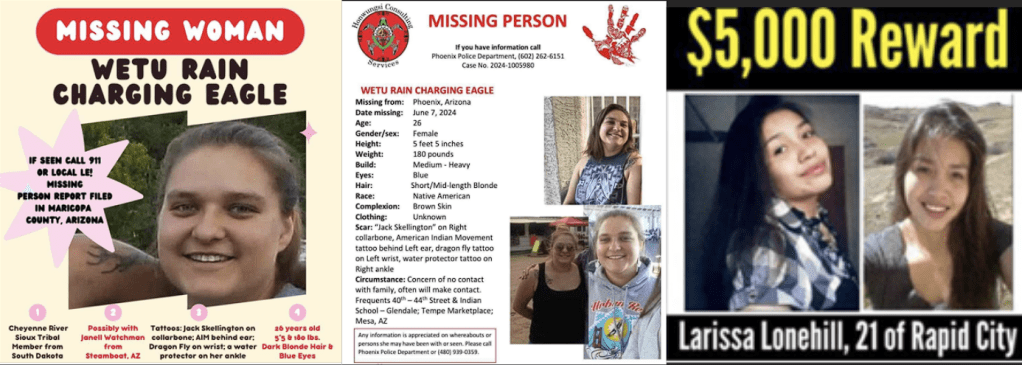
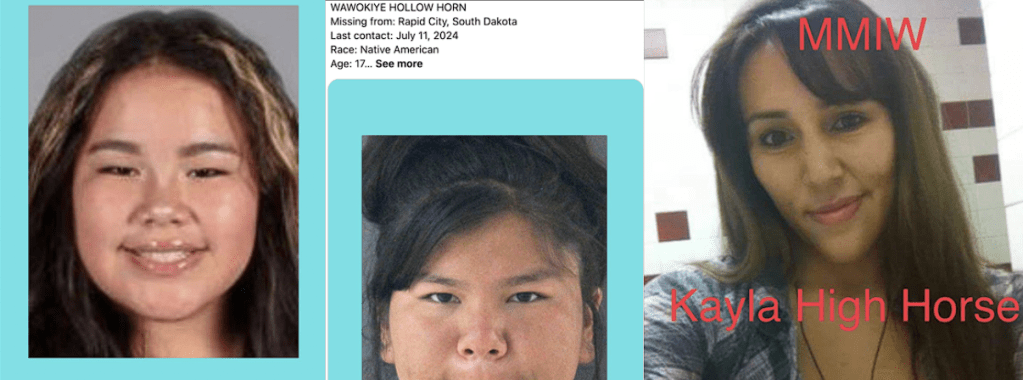
One post detailed the case of Ashley Loring HeavyRunner, a 20-year-old woman from the Blackfeet Nation in Montana, who went missing in 2017. Her family has been tirelessly searching for her, reflecting the lack of response from authorities and the ongoing struggle to find answers.
Another case involved Kaysera Stops Pretty Places, an 18-year-old who was murdered in Big Horn County, Montana, in August 2019. Despite the gravity of the situation, the Big Horn County Sheriff’s Office, the FBI, and the Montana Department of Justice refused to investigate, leaving her murder unpunished and preventing Kaysera and her family from getting the justice they deserve. Kaysera went missing on August 24, 2019, in a suburban neighborhood of Hardin, Montana, less than half a mile from the Crow Reservation boundary. Her body was found on August 29 in the same neighborhood, but law enforcement did not inform her family until September 11, causing them to search hopelessly for almost two weeks.
Discrimination and Marginalization of Two Spirit Groups
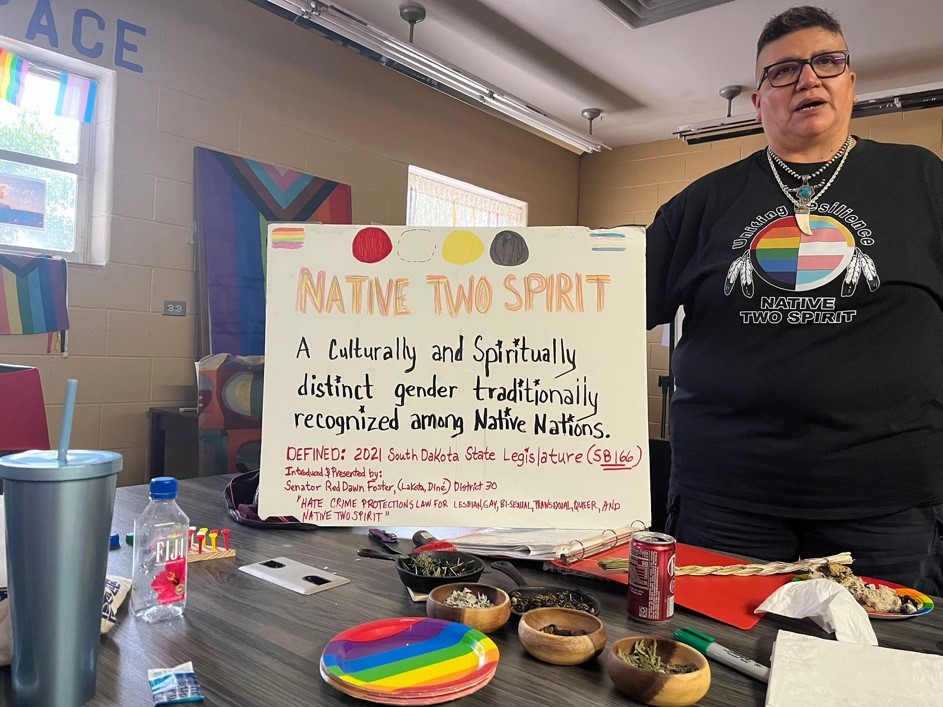
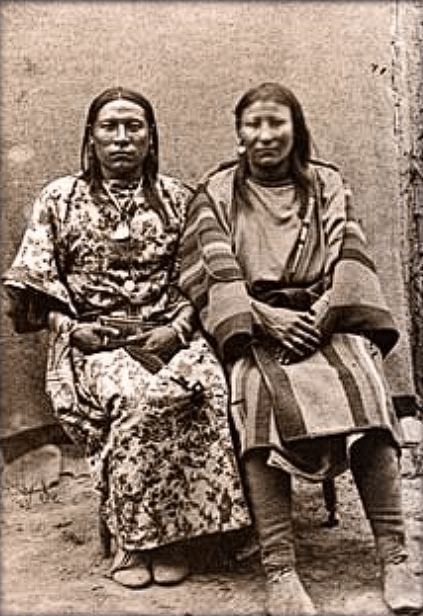
The Two Spirit group among Native Americans is a term encompassing all genders, sexualities, and self-identities within indigenous cultures. The concept of Two Spirit, coined in 1990 during the third annual intertribal Native American/First Nations gay and lesbian conference in Winnipeg, aims to provide an inclusive and culturally specific term for indigenous LGBTQ+ identities. This term reflects the traditional roles and recognition of gender diversity within Native American cultures, which have been largely erased or marginalized due to colonial influences.
The primary challenges faced by Two Spirit individuals include societal lack of recognition and familial rejection. Historically, many Native American tribes recognized multiple gender roles and held Two Spirit individuals in high regard. However, colonization and the imposition of European gender norms have led to widespread discrimination and marginalization of Two Spirit people within both their communities and broader society. This lack of understanding and acceptance has significant impacts on their mental health and social well-being.
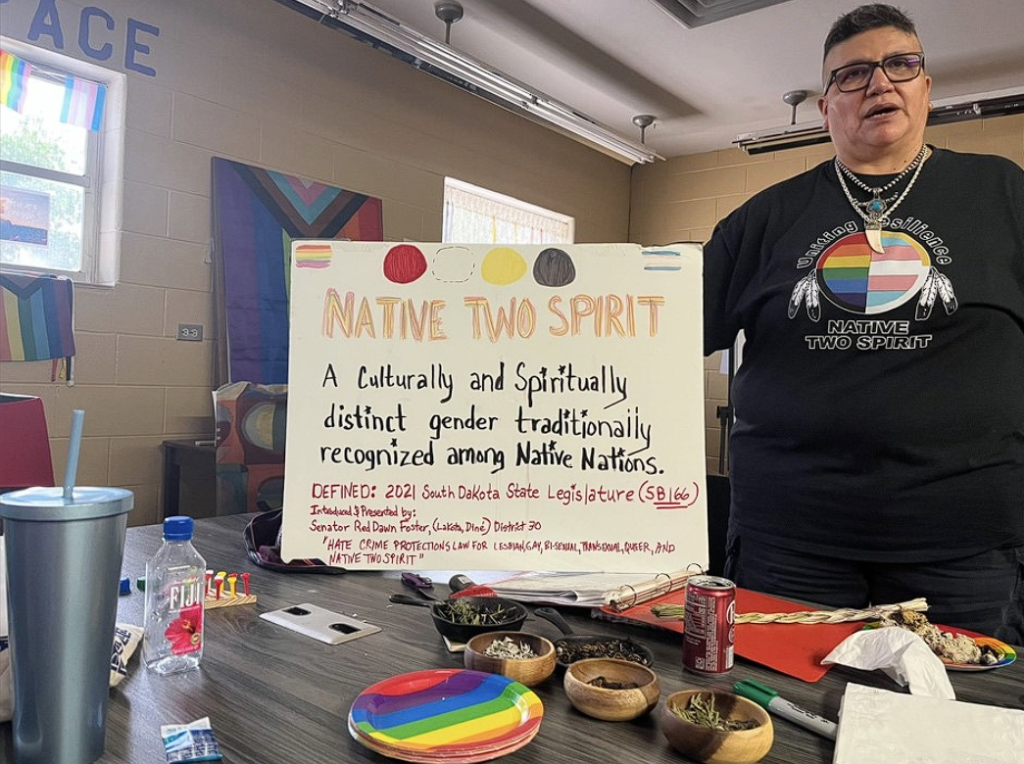
An organization called Uniting Resilience, founded by Muffie and Felipa, a lesbian couple, aims to spread awareness about the current state of Two Spirit individuals within Native American communities. Muffie and Felipa have been together for 19 years and have faced numerous challenges and pressures from society and their families. When they first got together, people in their community were extremely unsupportive, threatening to burn down Muffie’s parents’ house and break into Muffie and Felipa’s home to rape Felipa while Muffie was at work.
Although Muffie’s family has been supportive of her sexuality, Felipa’s family has not. Felipa’s mother, being Catholic, despises homosexuality due to her religious beliefs. This has strained their relationship significantly. Felipa was previously married three times and has five children. Some of her children also disapprove of her relationship with Muffie. At the end of last year, Felipa’s eldest son physically assaulted Muffie because he disapproved of their relationship. Felipa’s youngest daughters, whom she had with a white Catholic man, have also been unsupportive, maintaining a bad relationship with Felipa since she got together with Muffie.
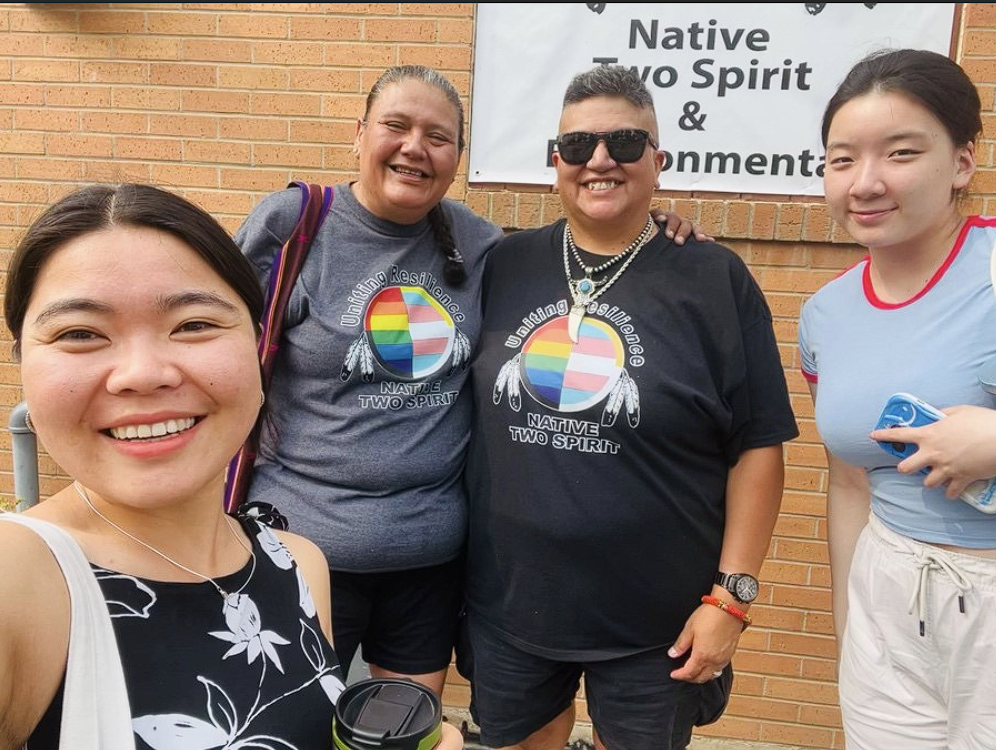
In addition to facing discrimination within their own community and families, Muffie and Felipa have also encountered hostility from broader society and even from other non-indigenous LGBTQ+ groups. Before founding their organization, they participated in LGBTQ+ groups in Rapid City, SD, hoping to find support and a sense of belonging. Unfortunately, they were met with unfriendly attitudes and racist behavior from their peers. Furthermore, they often received hostile gestures and filthy language from the public when walking on the street.
The complex interplay of cultural, religious, and familial factors contributes to the challenges faced by Two Spirit individuals. Despite these obstacles, organizations like Uniting Resilience and the resilience of individuals like Muffie and Felipa showcase the ongoing efforts to promote acceptance and understanding within Native American communities.
The struggles faced by Native American women and Two Spirit individuals are profound and multifaceted, stemming from historical injustices and persisting through systemic neglect. From the scourge of alcoholism and drug addiction to the pervasive threat of domestic violence and the heart-wrenching cases of missing and murdered Indigenous women, these challenges demand our attention and action. Despite these adversities, the resilience and strength displayed by these communities are remarkable. The stories of individuals like Matt and Margie Useknife, Little Hawk, Stevie, and the efforts of organizations like Where All Women Are Honored and Uniting Resilience highlight a powerful narrative of survival and hope.
Reference
Brayboy, Duane. (2017). “Two Spirits, One Heart, Five Genders.” ICT News. Updated 13 Sept. 2018.
Substance Abuse and Mental Health Services Administration. (2018). “National Survey on Drug Use and Health: Detailed Tables.”
National Congress of American Indians. (2018). “Research Policy Update: Violence Against American Indian and Alaska Native Women.”
Urban Indian Health Institute. (2018). “Missing and Murdered Indigenous Women & Girls: A snapshot of data from 71 urban cities in the United States.”
Sovereign Bodies Institute. (2020). “MMIWG2 Database.”
Two-Spirit Journal. (n.d.). “About Two-Spirit People.”
Indigenous LGBTQ/Two-Spirit communities. (n.d.). “Challenges Faced by Two-Spirit Individuals.”
 Youth For SDG