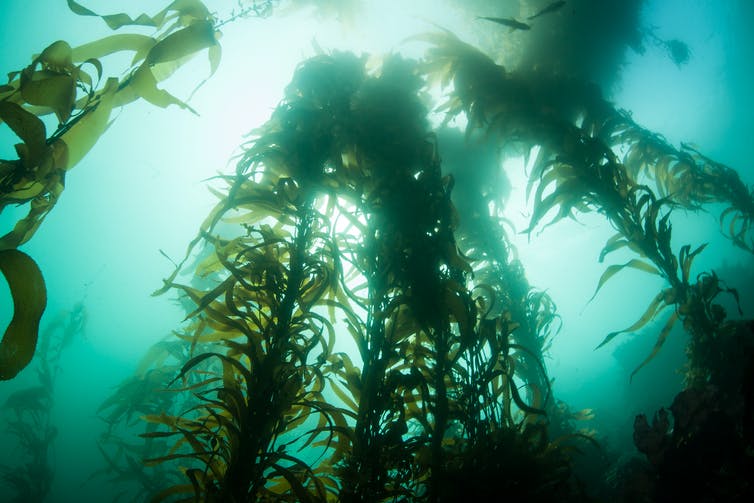
Tim Wardlaw, University of Tasmania Southern Tasmania’s tall eucalyptus forests are exceptionally good at taking carbon dioxide from the atmosphere and converting it into wood. For many years, we have believed these forests had a reasonable buffer of safety from climate change, due to the cool, moist environment. Unfortunately, my research published today shows theseContinue reading “In heatwave conditions, Tasmania’s tall eucalypt forests no longer absorb carbon”
Monthly Archives: February 2022
Australia’s education system is one of the most unequal in the OECD. But we know how to help fix it
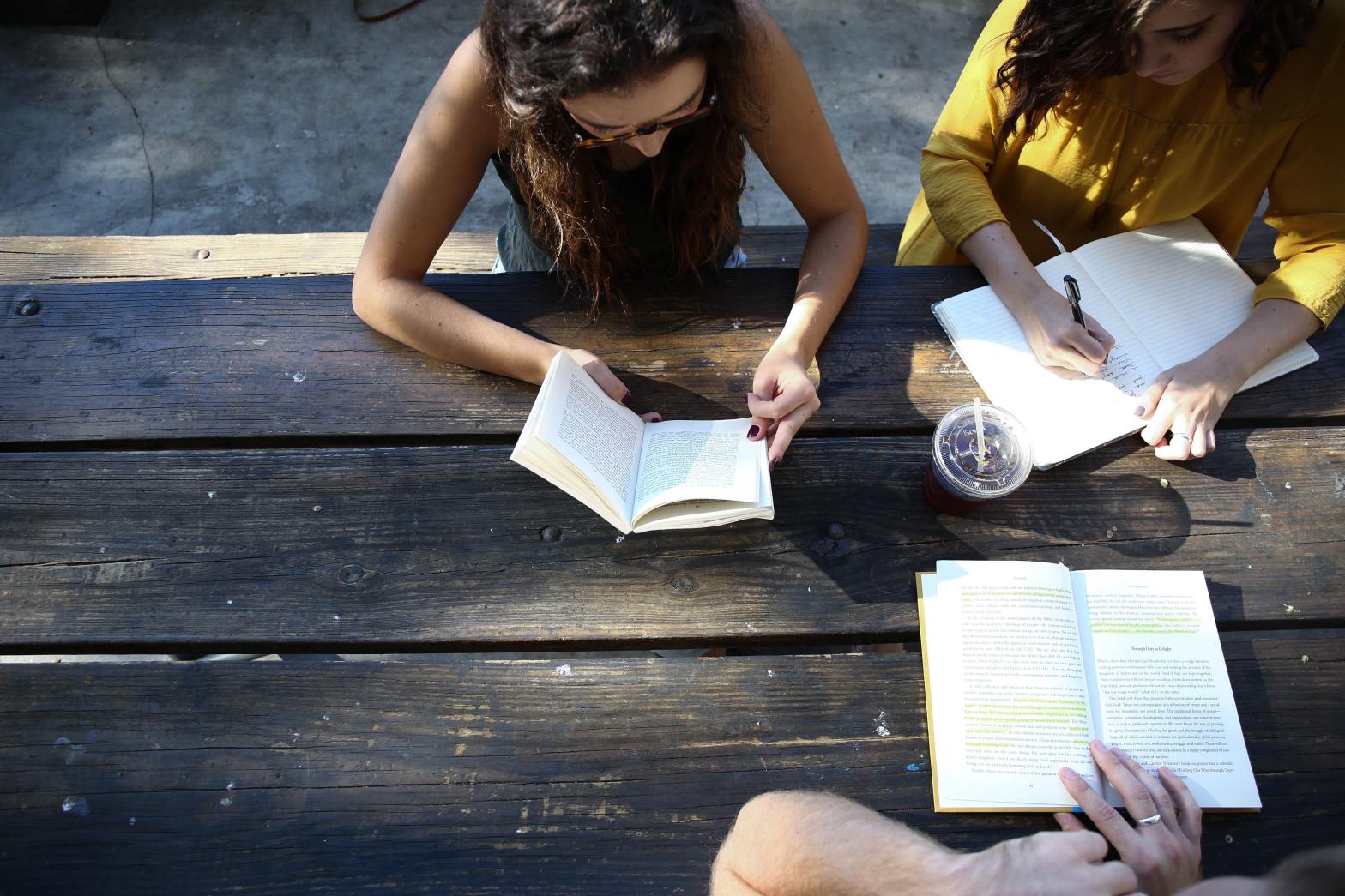
According to UNICEF, Australia ranks in the bottom third of OECD countries in providing equitable access to quality education. This means our education system – from access to early childhood education to expectations for study after school – does not allow every student to enjoy the same benefits that come from schooling.
A deep data dive reveals extent of unequal water provision in Nairobi
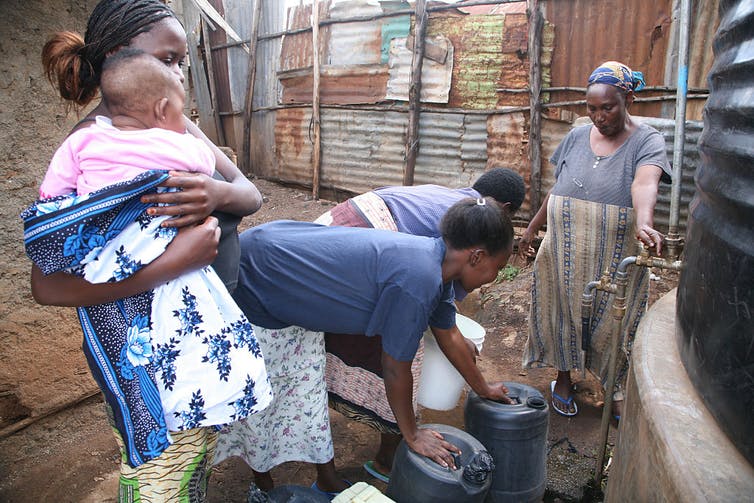
Many African cities struggle to supply safe, potable water to their residents. One of the main reasons for this is urbanisation; cities’ populations grow rapidly as more people move to them from rural areas.
The great Amazon land grab – how Brazil’s government is turning public land private, clearing the way for deforestation
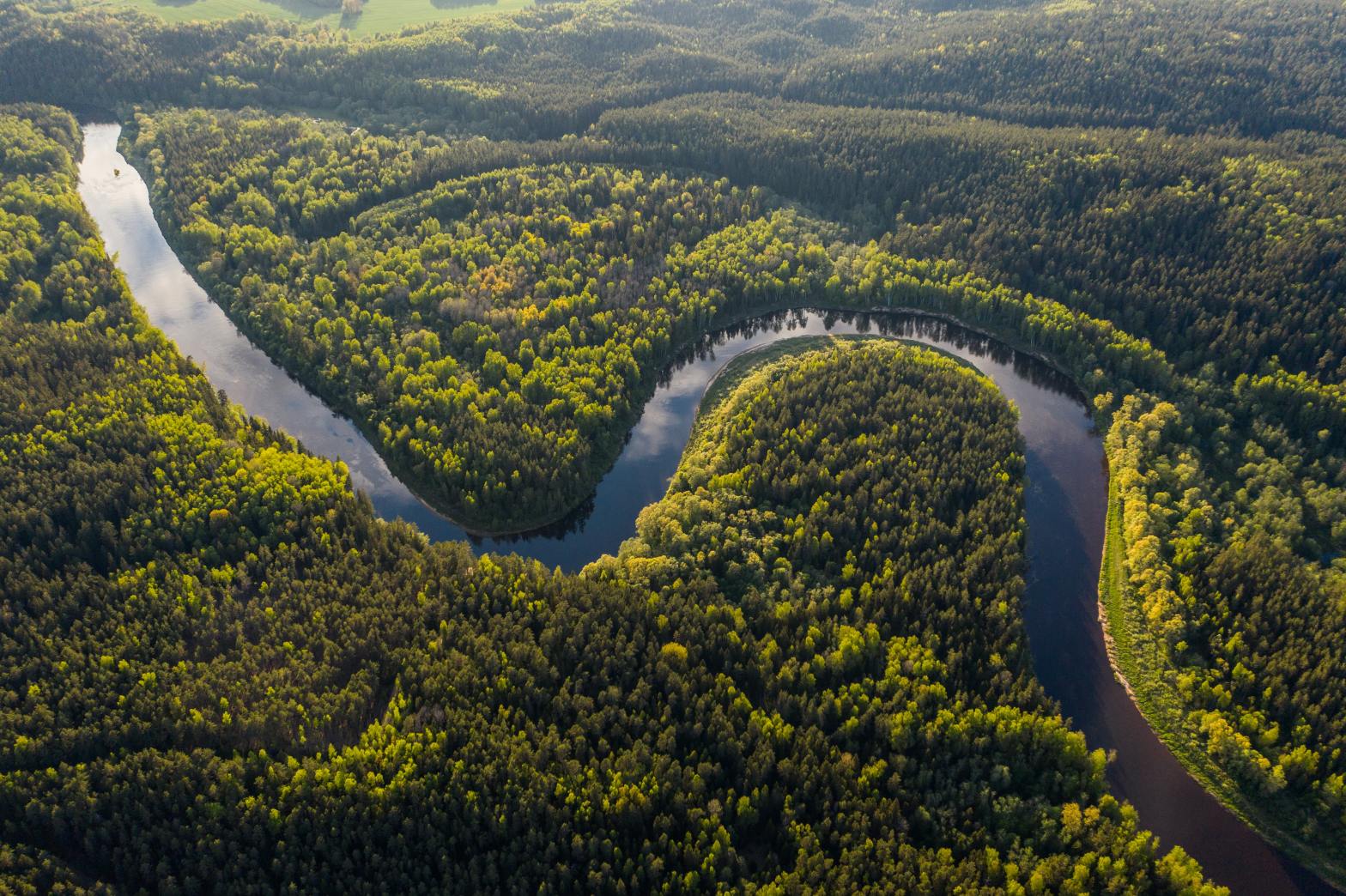
Imagine that several state legislators decide that Yellowstone National Park is too big. Also imagine that, working with federal politicians, they change the law to downsize the park by a million acres, which they sell in a private auction.
From walking to cycling, how we get around a city is a gender equality issue – new research
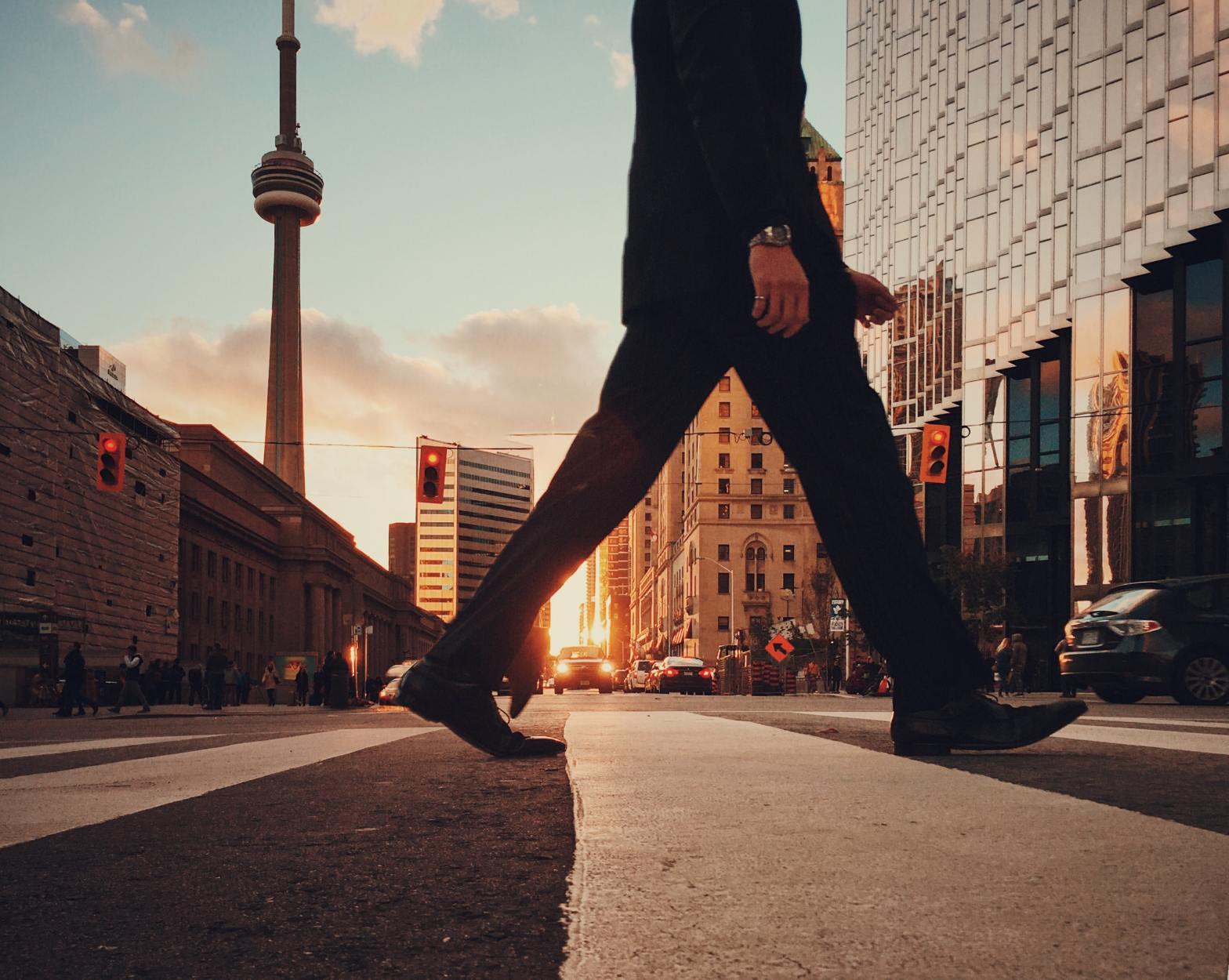
In urban societies around the world, there are gendered differences in how people get to where they need to go. From the number of journeys taken and the distances travelled, to the purpose for travelling in the first place, women’s experiences of journeying through the city differ significantly from those of men.
Disaster news on TV and social media can trigger post-traumatic stress in kids thousands of miles away – here’s why some are more vulnerable
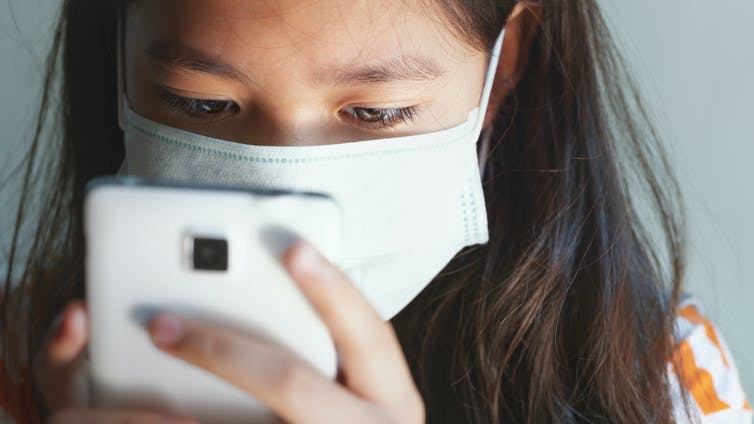
When disasters strike, the flood of images on TV and social media can have a powerful psychological impact on children – whether those children are physically in the line of danger or watching from thousands of miles away.
Pandemic-related school closings likely to have far-reaching effects on child well-being
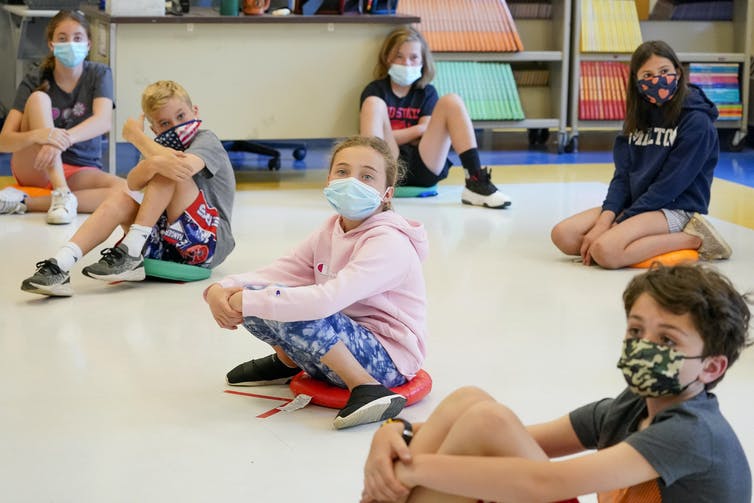
Sandra M. Chafouleas, University of Connecticut A global analysis has found that kids whose schools closed to stop the spread of various waves of the coronavirus lost educational progress and are at increased risk of dropping out of school. As a result, the study says, they will earn less money from work over their lifetimesContinue reading “Pandemic-related school closings likely to have far-reaching effects on child well-being”
Teaching key to better ocean protection, says UNESCO chief
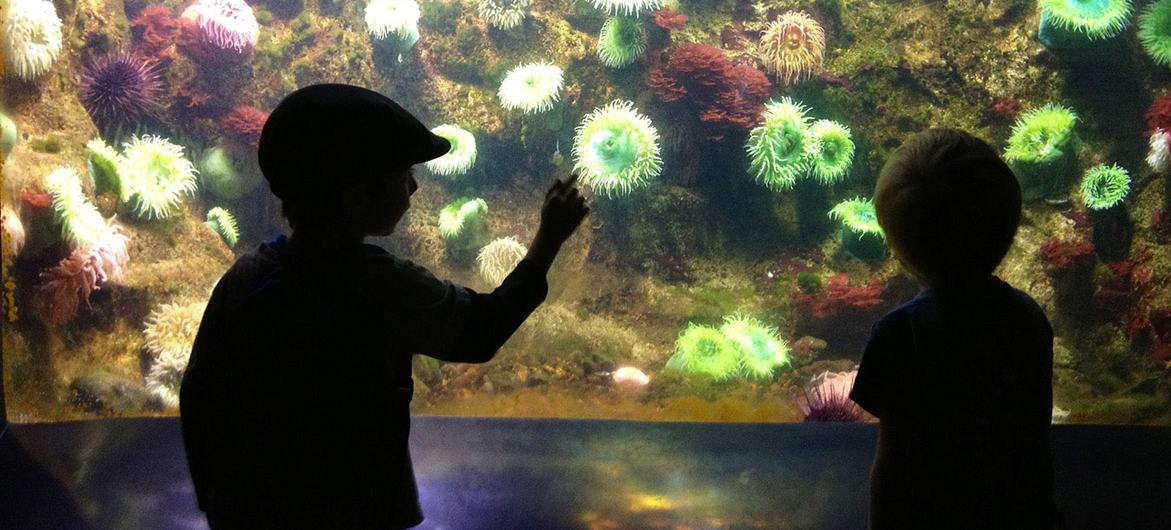
Education needs to be one of the key pillars for action by countries across the world to better protect the seas and oceans from damaging climate change, said the head of the UN Scientific, Educational, and Cultural Organization (UNESCO) on Thursday.
FAO launches $138 million plan to avert hunger crisis in Horn of Africa
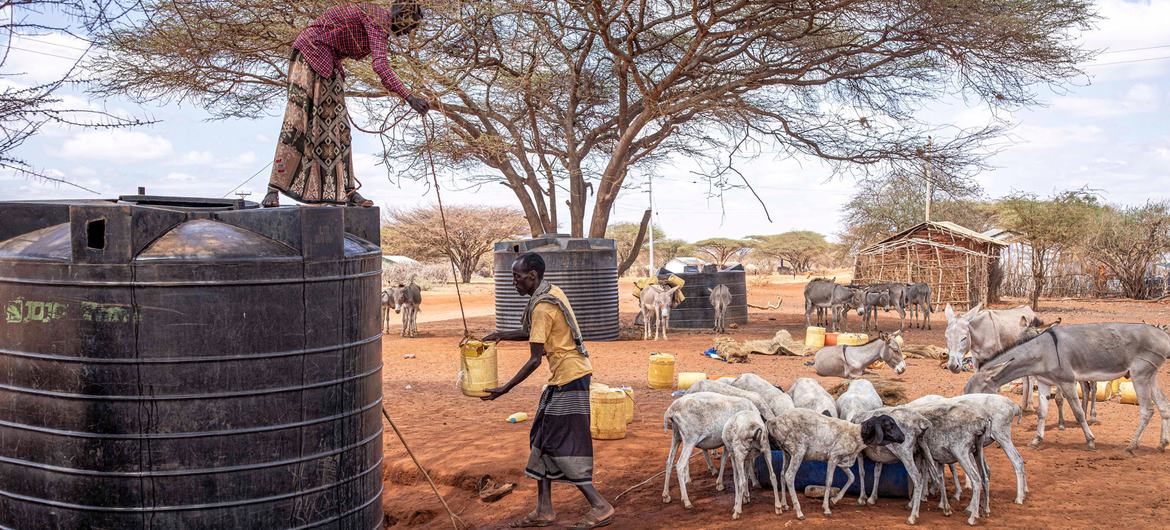
More than $138 million is needed to assist rural communities affected by extended drought in the Horn of Africa, the UN Food and Agriculture Organization (FAO) said on Monday, launching a comprehensive response plan for the region.
UN partnership aims to combat microplastics in cigarettes
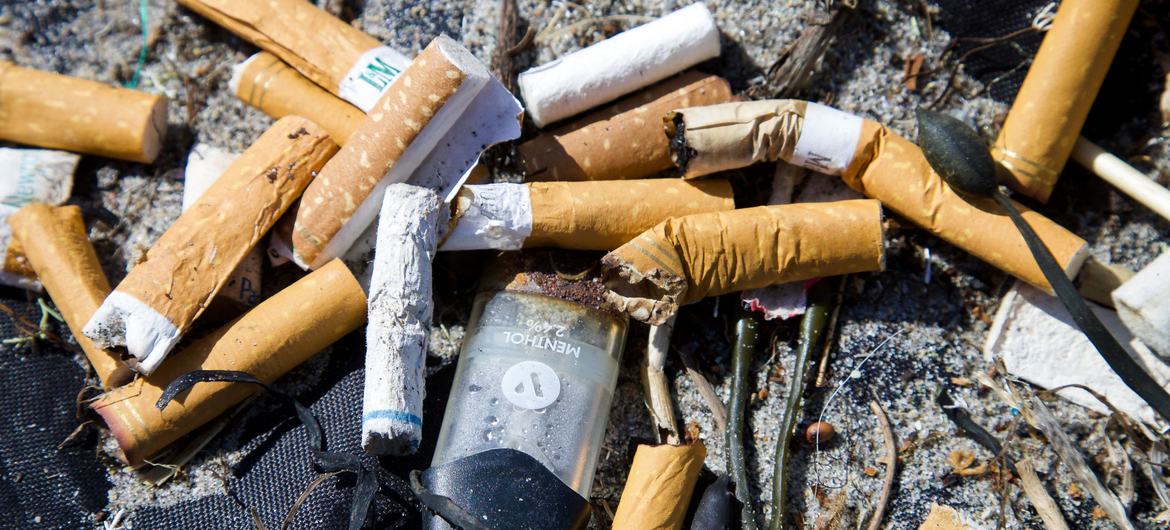
A new UN partnership announced on Wednesday aims to raise awareness about the environmental and health impacts of microplastics in cigarette butts, the most discarded waste item worldwide.
 Youth For SDG