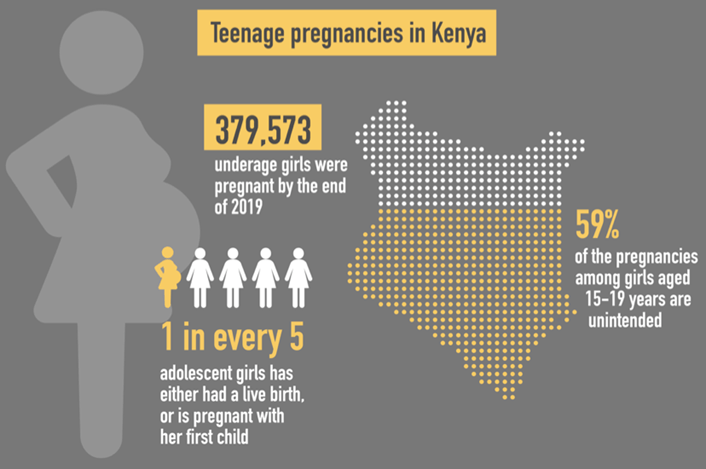
By Cai Yiyan, Huang Yuze, Lv Yiyang, Wang Jiaxuan, Yi Xinyu Kenya is youthful country. In 2018, adolescents made up of 22.8% of the total population, and the median age was 18.9 years old, according to WHO. Being in an crucially informative period of life in many ways, the adolescents unfortunately have to deal withContinue reading “Adolescents Reproductive Health in Kenya: A Civil Society Approach”
Author Archives: youthforsdg
Rising incomes more harmful to environment than population growth
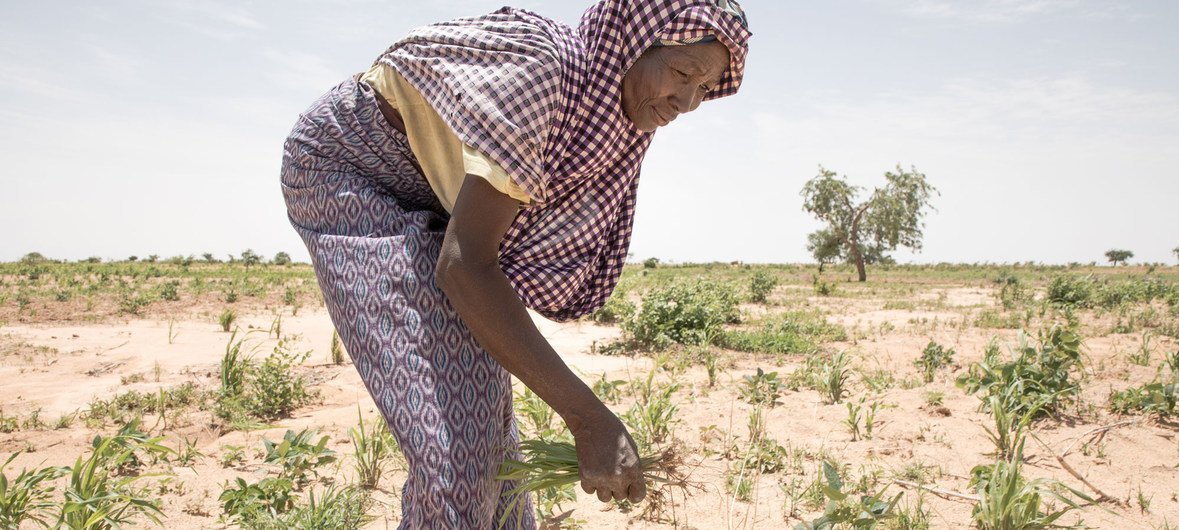
Higher incomes contribute more to environmental degradation than population growth, a report by the UN Department of Economic and Social Affairs (DESA) has revealed.
For bullied teens, online school offered a safe haven
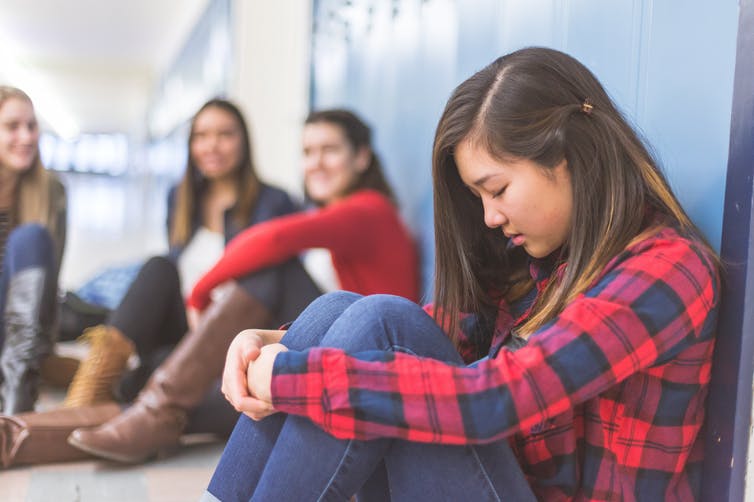
Hannah L. Schacter, Wayne State University Online school during the COVID-19 pandemic was hard on many teens, but new research I co-authored has found a potential silver lining: Students were bullied less during remote instruction than while attending classes in person. We learned this by surveying 388 ninth graders at U.S. high schools. We askedContinue reading “For bullied teens, online school offered a safe haven”
New initiative to improve nutrition standards for school meals

A new project launched on Monday by two UN agencies aims to improve the diet of school-age children by supporting the development of nutrition standards for school meal programmes.
Low-technology: why sustainability doesn’t have to depend on high-tech solutions
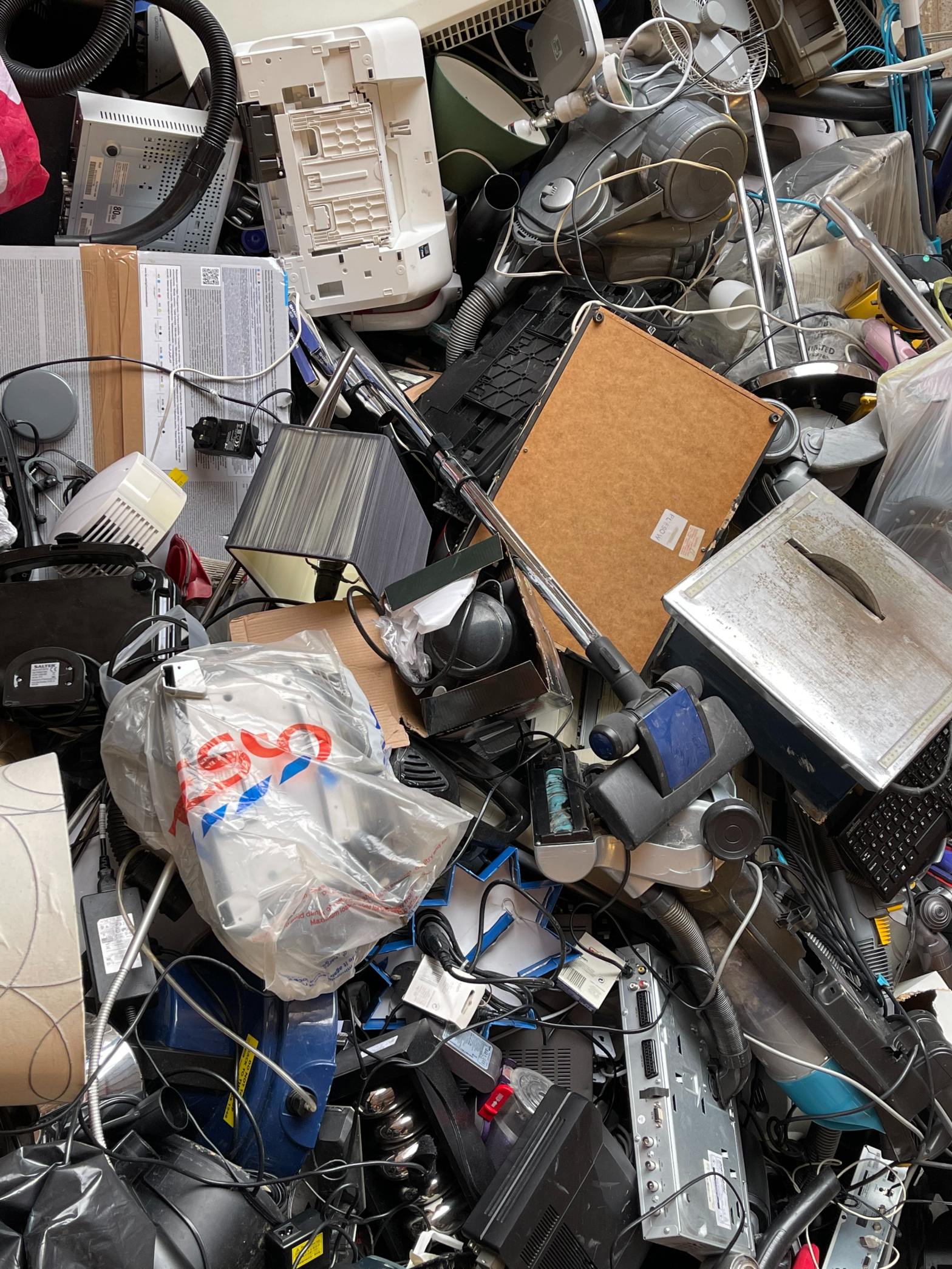
It’s a popular idea that the path to sustainability lies in high-tech solutions. By making everyday items like cars electric, and installing smart systems to monitor and reduce energy use, it seems we’ll still be able to enjoy the comforts to which we’ve become accustomed while doing our bit for the planet – a state known as “green growth”.
In heatwave conditions, Tasmania’s tall eucalypt forests no longer absorb carbon
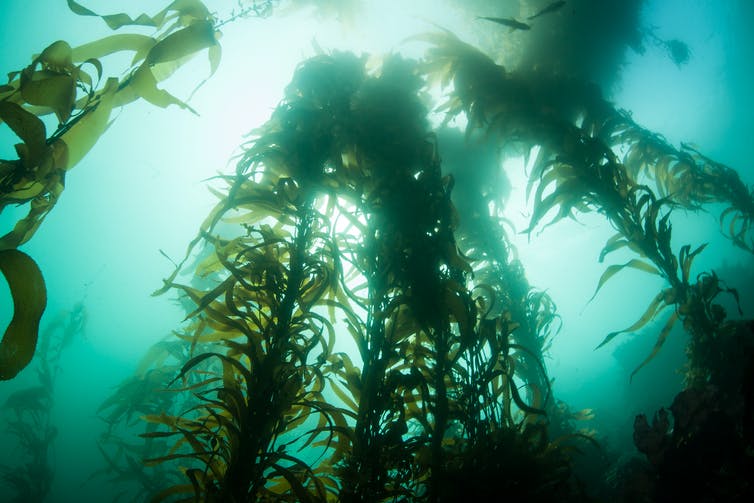
Tim Wardlaw, University of Tasmania Southern Tasmania’s tall eucalyptus forests are exceptionally good at taking carbon dioxide from the atmosphere and converting it into wood. For many years, we have believed these forests had a reasonable buffer of safety from climate change, due to the cool, moist environment. Unfortunately, my research published today shows theseContinue reading “In heatwave conditions, Tasmania’s tall eucalypt forests no longer absorb carbon”
Australia’s education system is one of the most unequal in the OECD. But we know how to help fix it

According to UNICEF, Australia ranks in the bottom third of OECD countries in providing equitable access to quality education. This means our education system – from access to early childhood education to expectations for study after school – does not allow every student to enjoy the same benefits that come from schooling.
A deep data dive reveals extent of unequal water provision in Nairobi
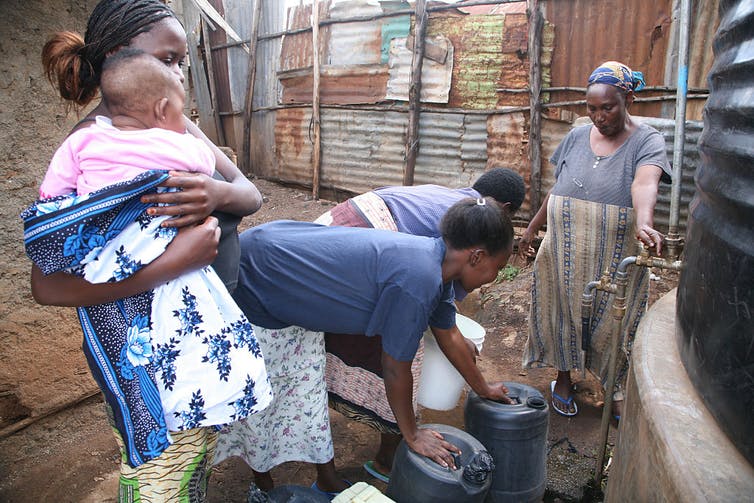
Many African cities struggle to supply safe, potable water to their residents. One of the main reasons for this is urbanisation; cities’ populations grow rapidly as more people move to them from rural areas.
The great Amazon land grab – how Brazil’s government is turning public land private, clearing the way for deforestation
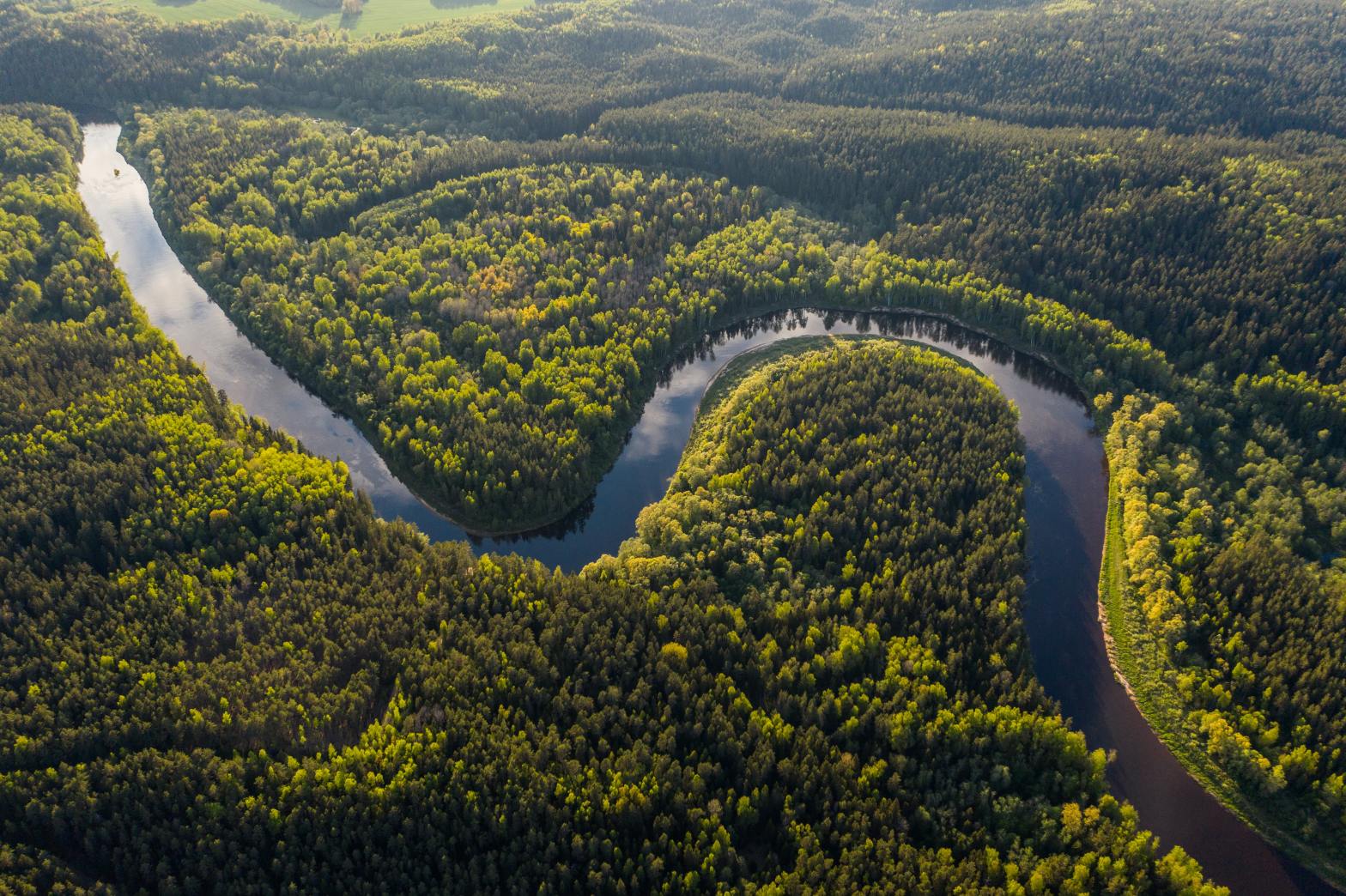
Imagine that several state legislators decide that Yellowstone National Park is too big. Also imagine that, working with federal politicians, they change the law to downsize the park by a million acres, which they sell in a private auction.
From walking to cycling, how we get around a city is a gender equality issue – new research

In urban societies around the world, there are gendered differences in how people get to where they need to go. From the number of journeys taken and the distances travelled, to the purpose for travelling in the first place, women’s experiences of journeying through the city differ significantly from those of men.
 Youth For SDG