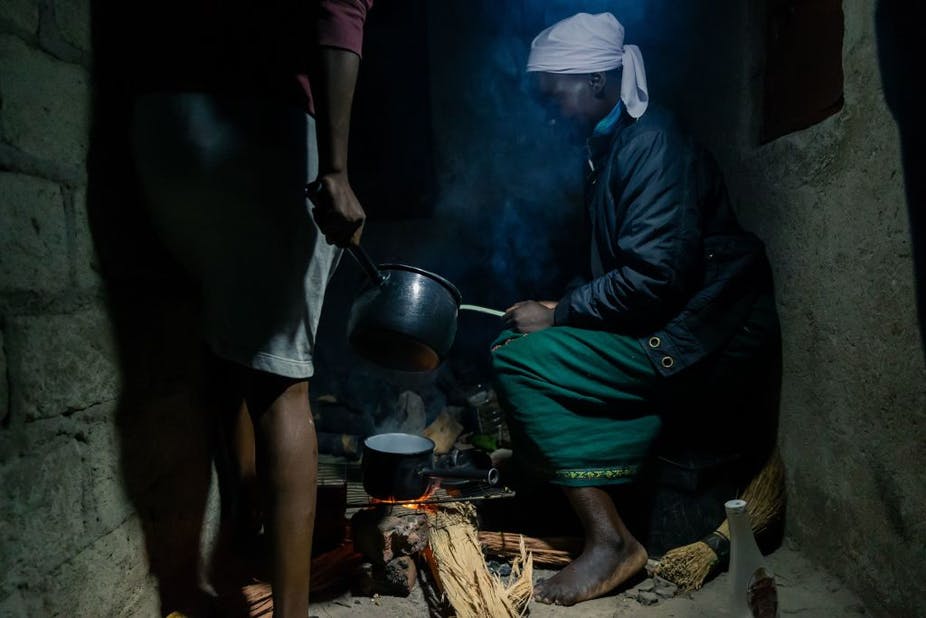
Cooking on solid fuels exposes people to toxic pollutants. JEKESAI NJIKIZANA/AFP via Getty Images March 24, 2021 2.45pm GMT Suzanne Bartington, University of Birmingham; Jessie Pinchoff, Population Council, and William Robert Avis, University of Birmingham Over 90% of the 238 million people living in sub-Saharan Africa’s informal settlements, rely upon solid fuels for cooking, heating,Continue reading “COVID-19: a new challenge for clean cooking progress in Kenya”
Monthly Archives: December 2021
Stereotypes about young jobless South Africans are wrong: what they’re really up to

Makeshift shops have mushroomed as people try to make ends meet amid South Africa’s excessive unemployment. Hobermunemployment. an Collection/Universal Images Group via Getty Images June 14, 2021 4.09pm BST Hannah J. Dawson, University of the Witwatersrand South Africa has one of the highest youth unemployment rates in the world. A whopping 63% of its young peopleContinue reading “Stereotypes about young jobless South Africans are wrong: what they’re really up to”
Smallholder farming is a proven path out of poverty, but climate change is changing the rules
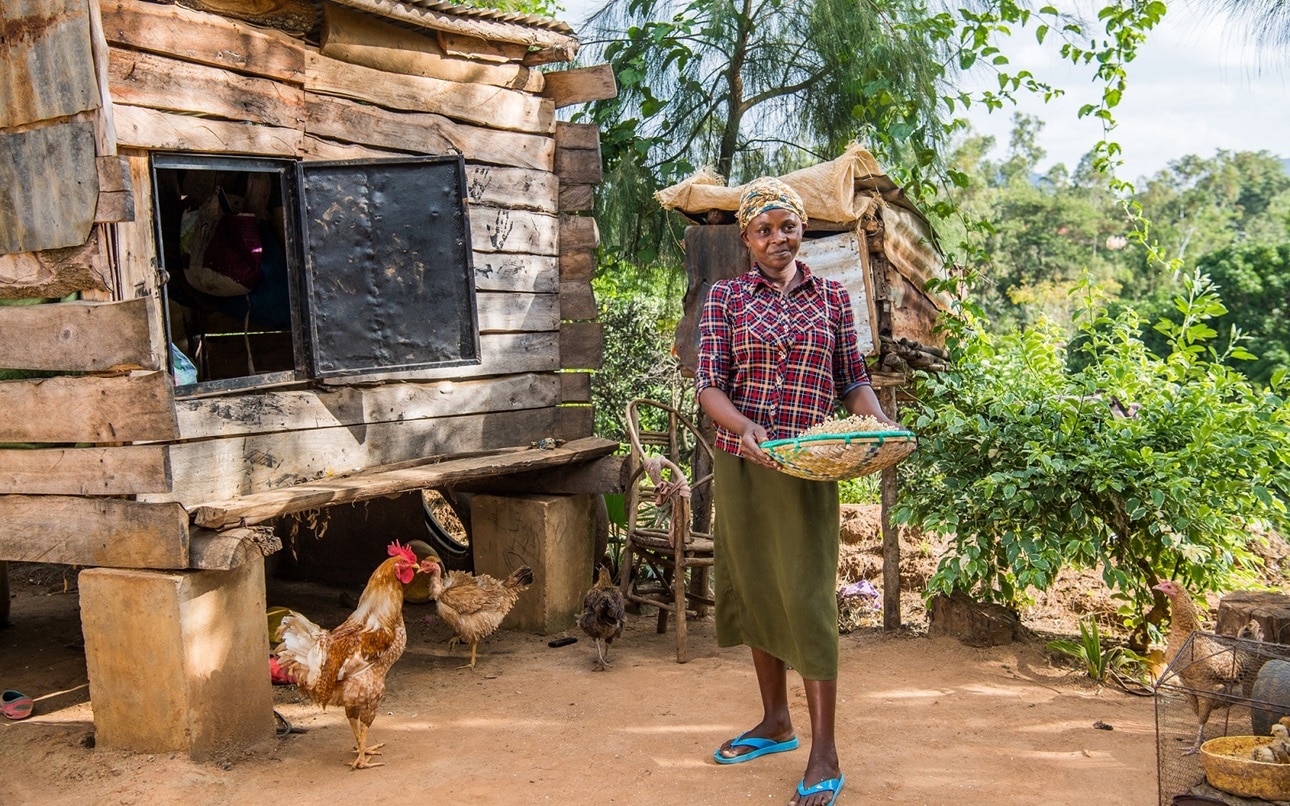
October 29, 2021 By Enock Chikava In the 1990s, Zimbabwe had one dry year every five years. Now it is once every two years, and sometimes the dry years are back-to-back. I have been involved with smallholder agriculture my entire life. Along with my 10 siblings, I grew up on a small farm in Zimbabwe, whereContinue reading “Smallholder farming is a proven path out of poverty, but climate change is changing the rules”
We interviewed 150 women migrants – revealing how their journeys involve peril at every turn

There were seven women and three children among the 27 people who tragically lost their lives in the English Channel this week. Women and children are frequently among those seeking a new life in Europe: as of November 21, this year 27.1% of migrants arriving by sea in the Mediterranean are women or children.
Preventing future pandemics starts with recognizing links between human and animal health
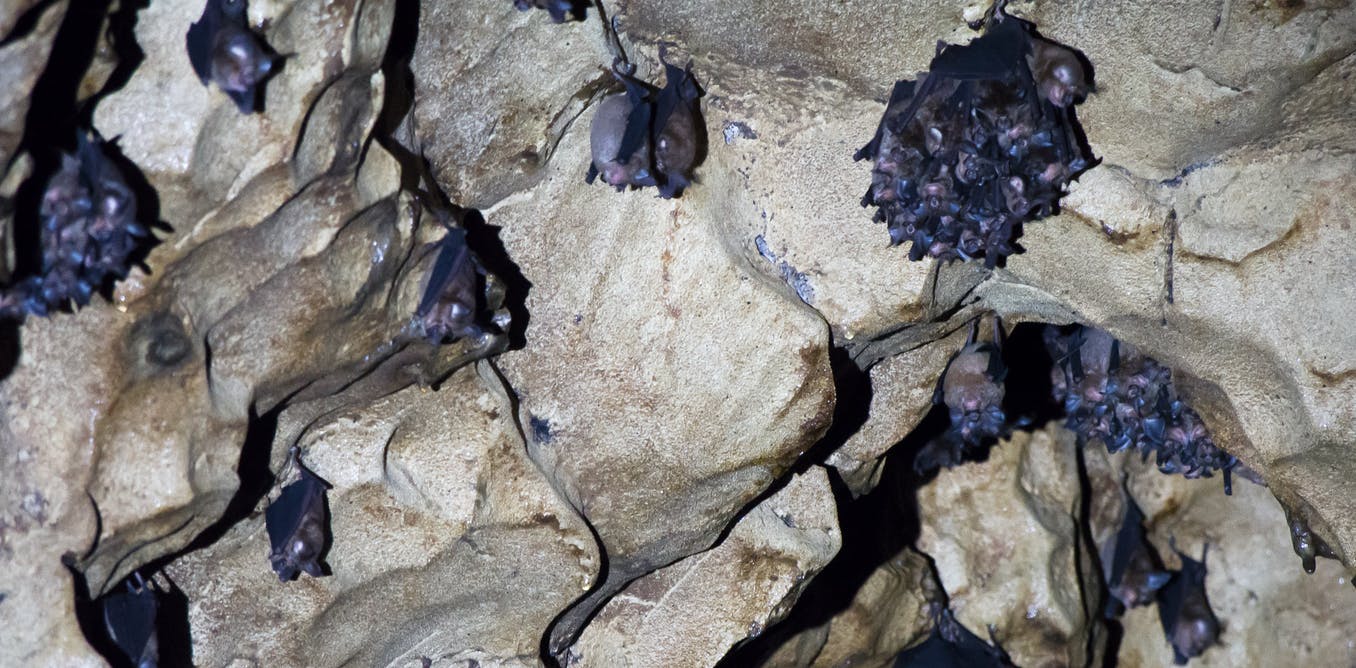
The COVID-19 pandemic has demonstrated that zoonotic diseases – infections that pass from animals to humans – can present tremendous threats to global health. More than 70% of emerging and reemerging pathogens originate from animals. That probably includes the SARS CoV-2 virus, which scientists widely believe originated in bats.
Plastic trash in the ocean is a global problem, and the US is the top source – a new report urges action
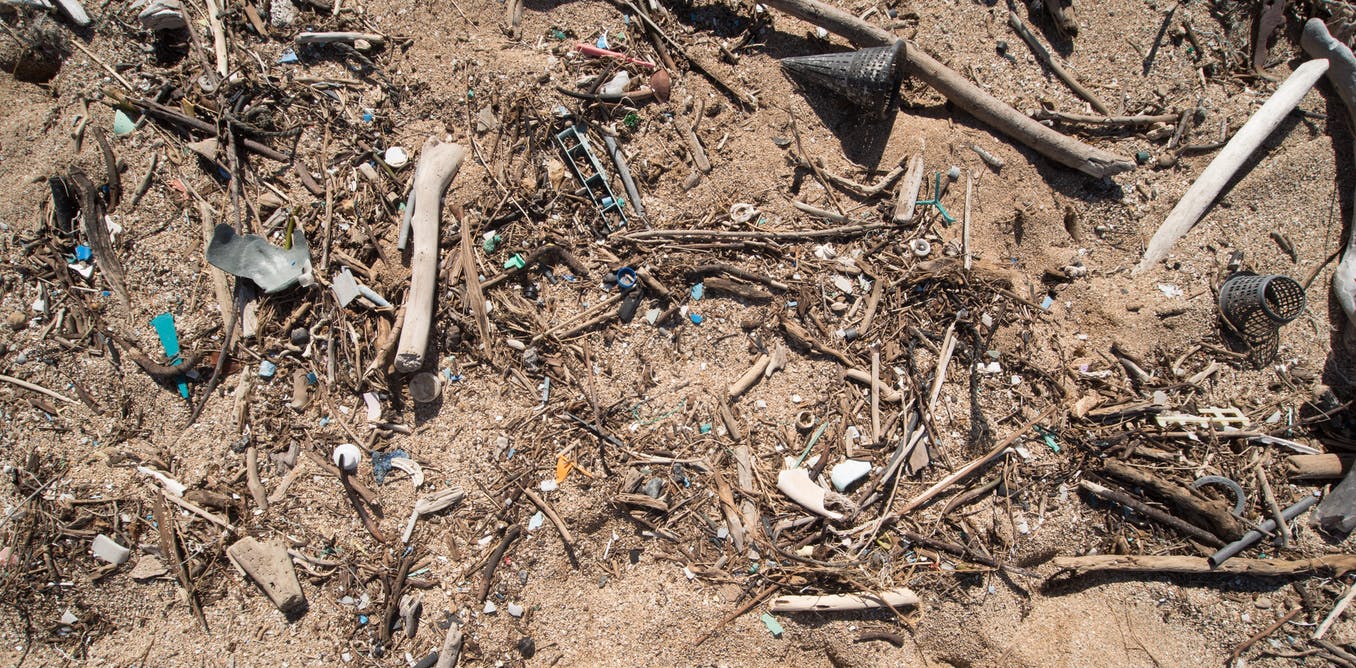
Plastic waste of all shapes and sizes permeates the world’s oceans. It shows up on beaches, in fish and even in Arctic sea ice. And a new report from the National Academies of Sciences, Engineering, and Medicine makes clear that the U.S. is a big part of the problem.
Young people and innovation must drive Africa’s agri-food systems transformation
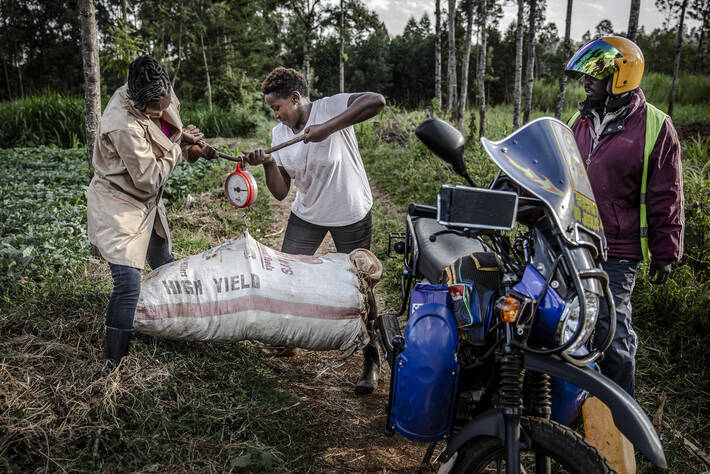
1 July 2021, Lilongwe/Rome FAO Director-General addresses African Heads of State at Pre-UN Food Systems Summit Dialogue The Director-General of the Food and Agriculture Organization of the United Nations, QU Dongyu, today encouraged African leaders to engage universities and young people in the much needed agri-food systems transformation on the continent. “Young people must beContinue reading “Young people and innovation must drive Africa’s agri-food systems transformation”
Introducing Generation Earthshot !

On Wednesday 13th October The Duke and Duchess of Cambridge visited Kew Gardens to take part in a Generation Earthshot event with children from The Heathland School to generate big, bold ideas to repair the planet.
The Youth Advantage: Engaging young people in green growth
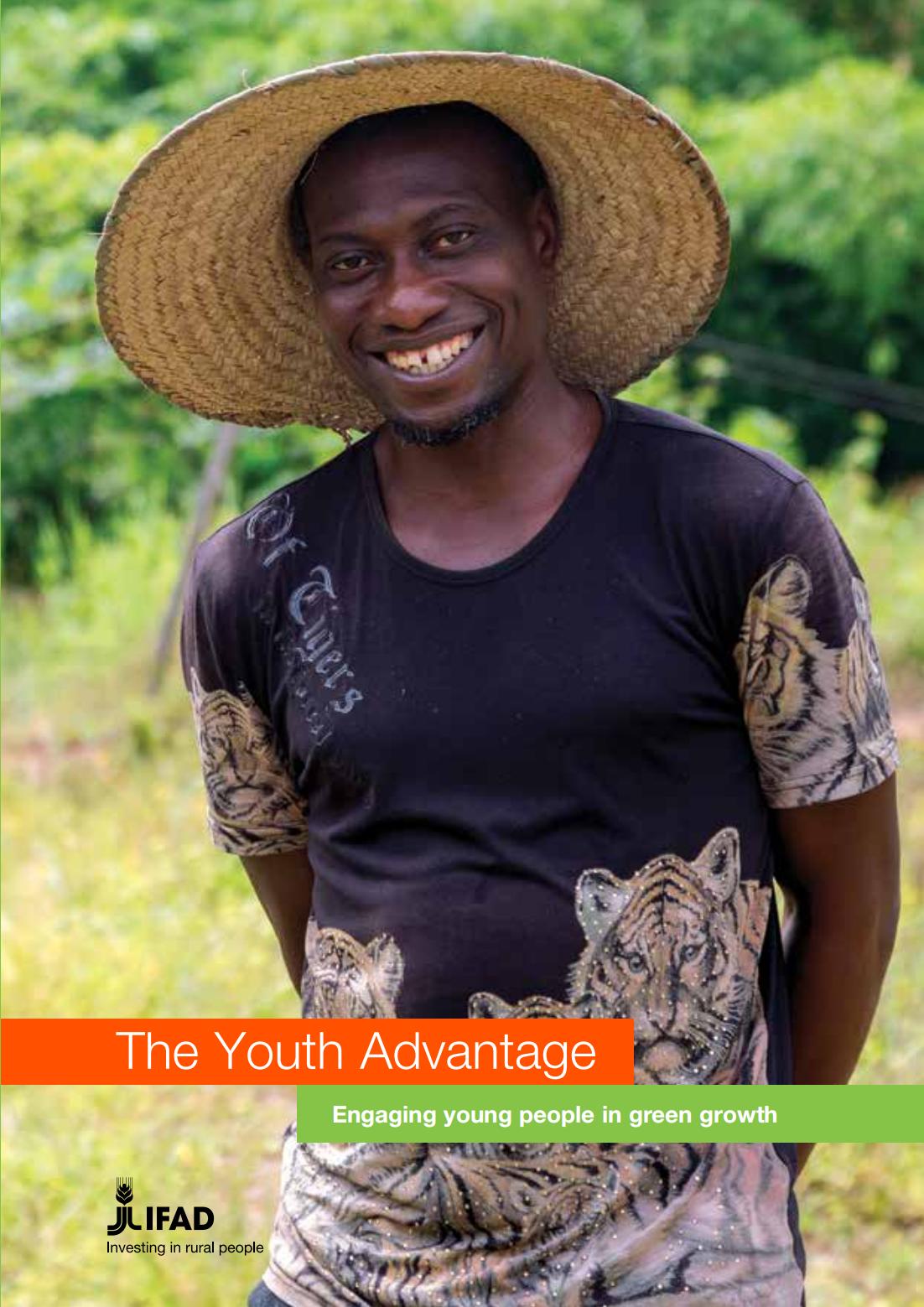
In 2030, young people will make up around 15 per cent of the world’s population, and rural youth about 6 per cent. Some regions are even expected to see a “youth bulge” or a significantly higher proportion of young people.
Making the impossible possible
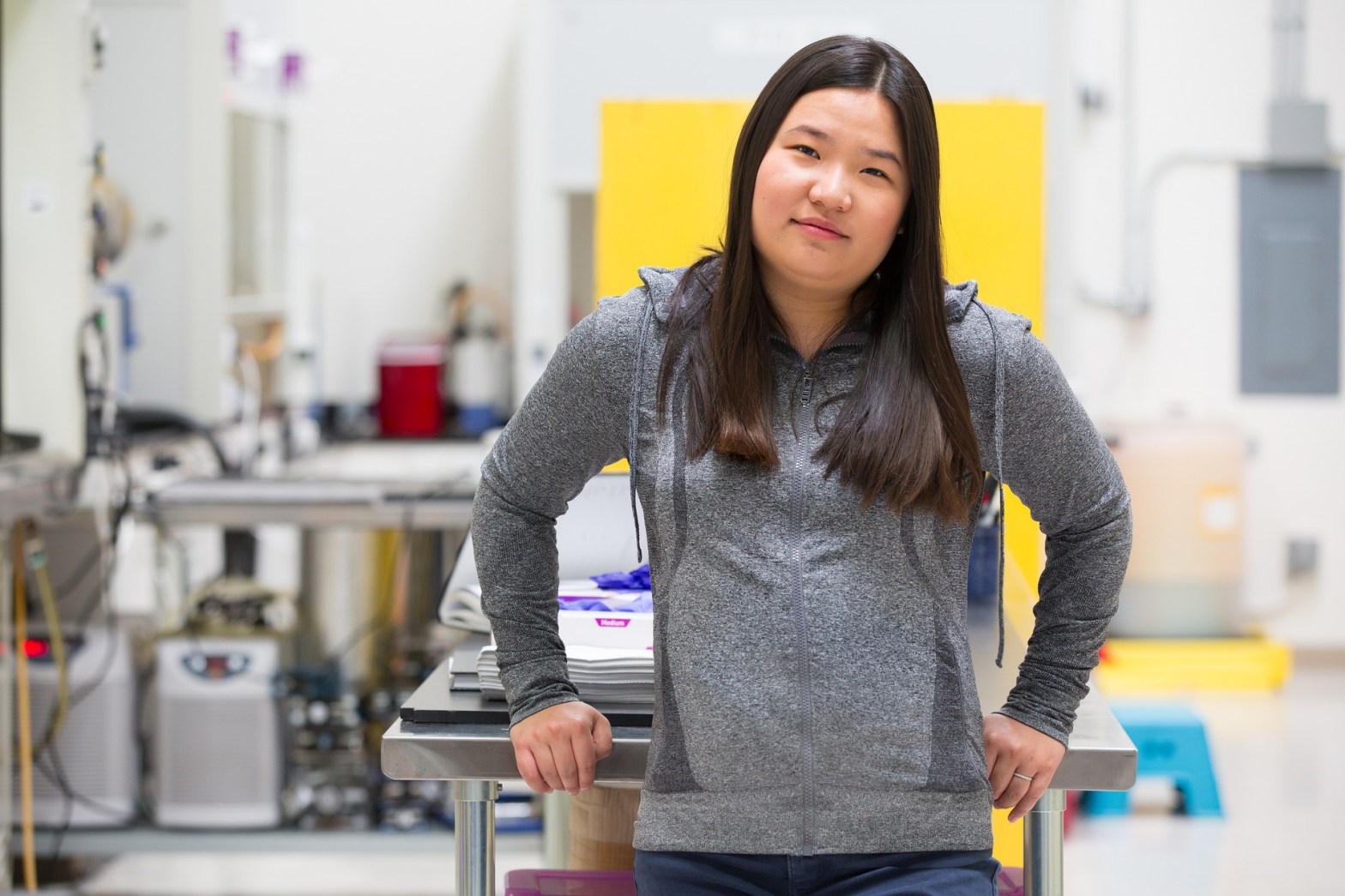
“My project is a social impact startup developing and scaling up a new technology to recycle unrecyclable plastics.” Wang and her team have invented a US$ 5 million technology that breaks down plastics into chemical building blocks, upcycling them into higher value materials for manufacturing.
 Youth For SDG