Helen Young, Deakin University When Mum was pregnant with me, Dad bought her a paperback copy of James Herriot’s All Creatures Great and Small because it was an easy, pleasant read. I read my mother’s Pan paperback copy, with its cover image of sheep, farmers, and the vet’s vintage car, when I was growing up.Continue reading “All Creatures Great and Small at 50: why these stories about a country vet still charm today”
Category Archives: Analysis
Raising the age of criminal responsibility is only a first step. First Nations kids need cultural solutions
Lorelle Holland, The University of Queensland and Maree Toombs, The University of Queensland In some Australian states, children can legally be detained from the age of ten years old. This has led to over-policing and over-incarceration of Aboriginal and Torres Strait Islander children. First Nations children represent 50% of youth incarcerated during 2021. Incarcerating childrenContinue reading “Raising the age of criminal responsibility is only a first step. First Nations kids need cultural solutions”
Hope from despair: how young people are taking action to make things better
Caron Gentry, Northumbria University, Newcastle All too often, hope is equated to a desire for something fleeting: good results on an exam, the win of a favourite team, the wanted present. Quite whether something so insubstantial can actually be called “hope”, though, is a question that has taken on particular poignancy over the last twoContinue reading “Hope from despair: how young people are taking action to make things better”
Oceans and their largest inhabitants could be the key to storing our carbon emissions
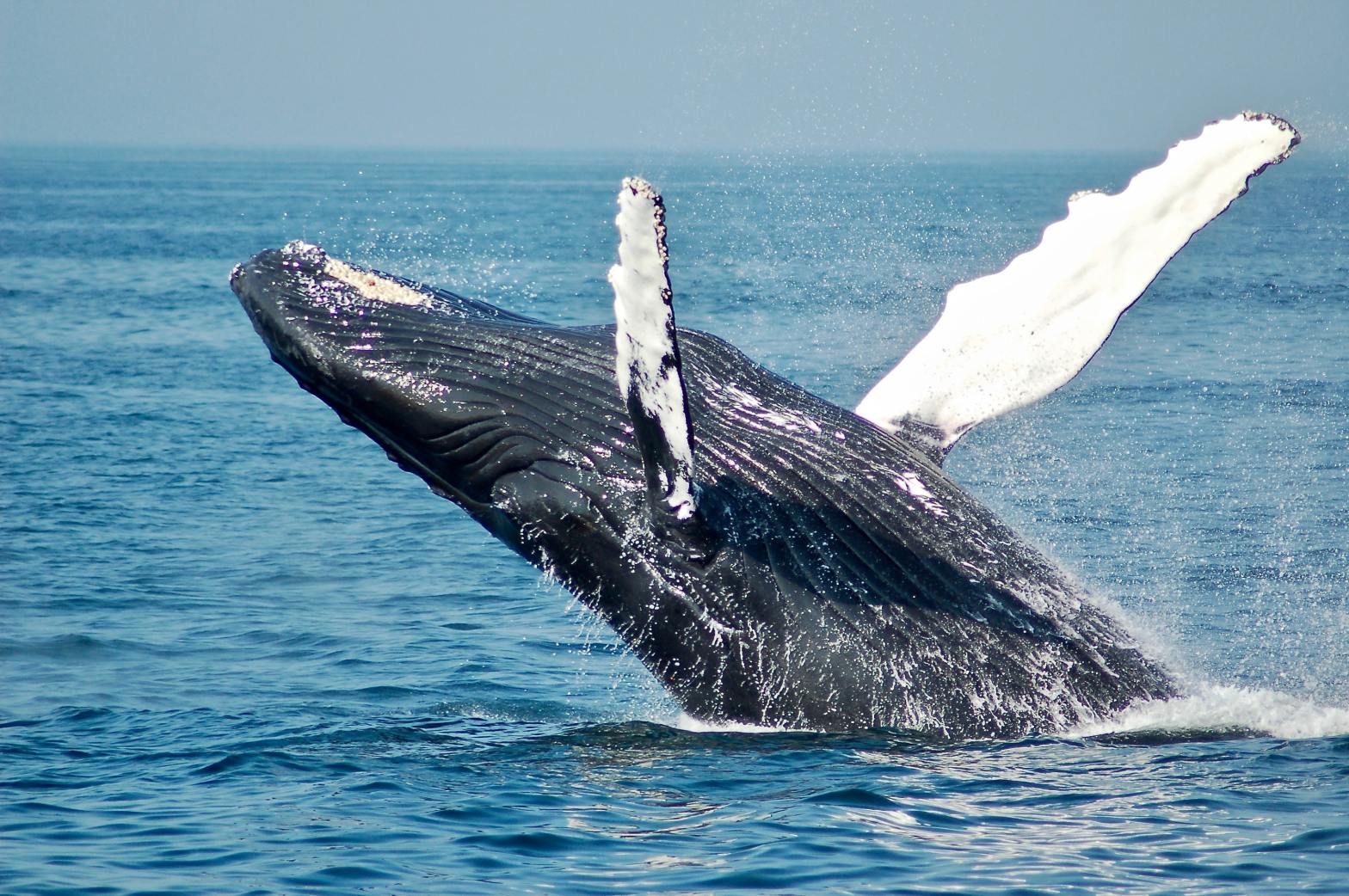
It’s time to turn to our oceans for help, an approach consistent with the IPCC’s climate objectives, yet which remains relatively overlooked. Current research at the Centre for Climate Repair at Cambridge University tackles how we can reinvigorate the world’s largest potential carbon sinks, which cover more than 70% of our planet’s surface, and have already been working to remove CO₂ from our atmosphere for millions of years.
How to connect social science research to policy in Nigeria

Research is a means to an end. It produces new knowledge that helps to improve welfare. Social science research in particular connects directly to the challenges of less developed countries like Nigeria.
How a Black writer in 19th-century America used humor to combat white supremacy
Rodney Taylor, University of South Carolina Any writer has to struggle with the dilemma of staying true to their vision or giving editors and readers what they want. A number of factors might influence the latter: the market, trends and sensibilities. But in the decades after the Civil War, Black writers looking to faithfully depictContinue reading “How a Black writer in 19th-century America used humor to combat white supremacy”
How fast can we stop Earth from warming?
Richard B. (Ricky) Rood, University of Michigan Global warming doesn’t stop on a dime. If people everywhere stopped burning fossil fuels tomorrow, stored heat would still continue to warm the atmosphere. Picture how a radiator heats a home. Water is heated by a boiler, and the hot water circulates through pipes and radiators in theContinue reading “How fast can we stop Earth from warming?”
Shame and secrecy shroud culture of sexual assault in boys’ high school sports
Jamie L. Small, University of Dayton A coat hanger. A broomstick. A pool cue. All these objects were used in a series of sexual assaults in recent years in which the perpetrators allegedly targeted high school boys who play sports. The perpetrators always had easy access to their alleged victims. That’s because they were teammates.Continue reading “Shame and secrecy shroud culture of sexual assault in boys’ high school sports”
Red gold: the rise and fall of West Africa’s palm oil empire
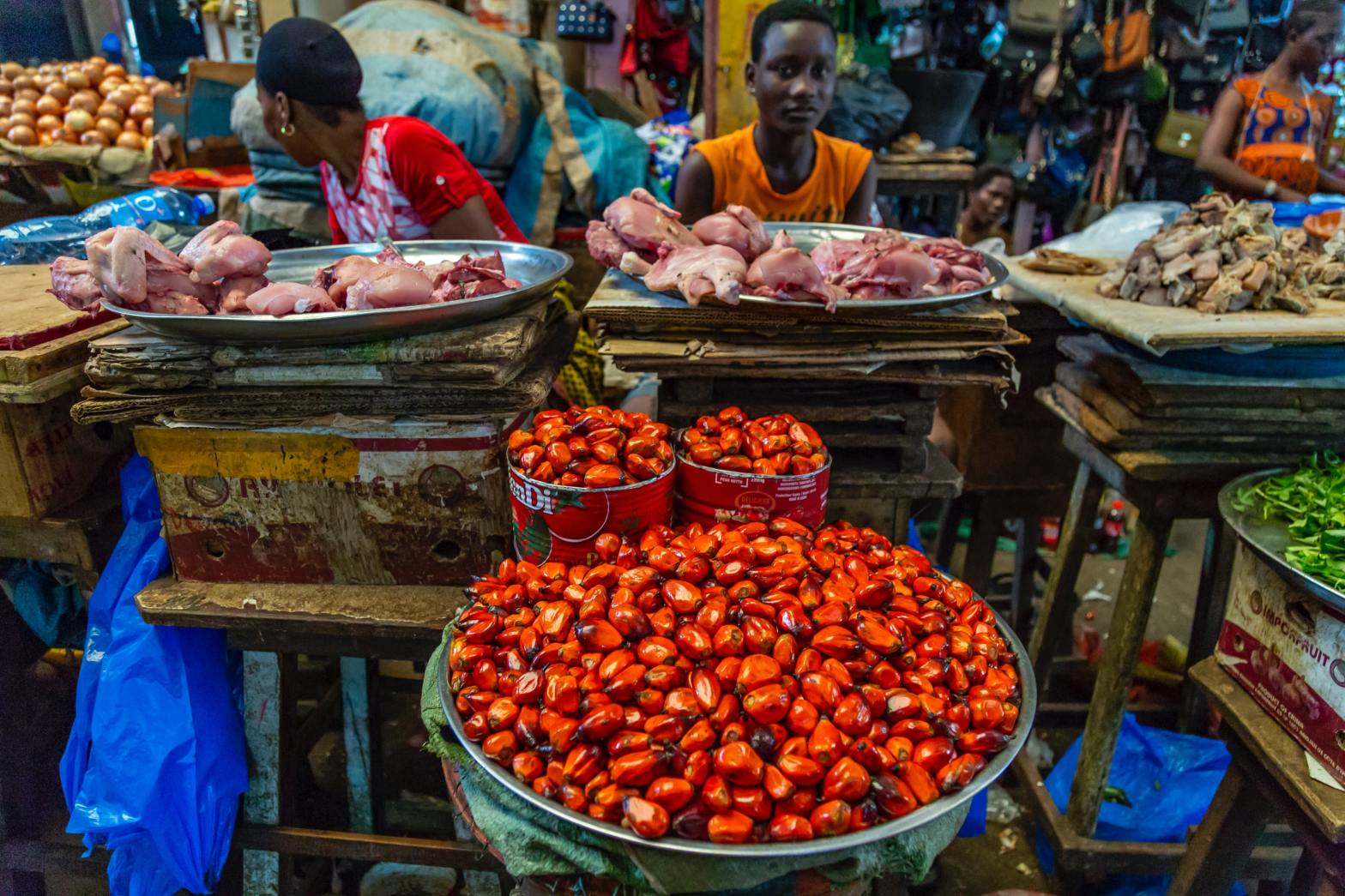
For thousands of years, the oil palm – indigenous to West Africa – has had an intimate relationship with people. An explosive expansion of oil palm groves throughout western and central Africa in the wake of a dry period around 2,500 years ago enabled human migration and agricultural development; in turn, humans facilitated oil palm propagation through seed dispersal and slash-and-burn agriculture.
Australia’s education system is one of the most unequal in the OECD. But we know how to help fix it
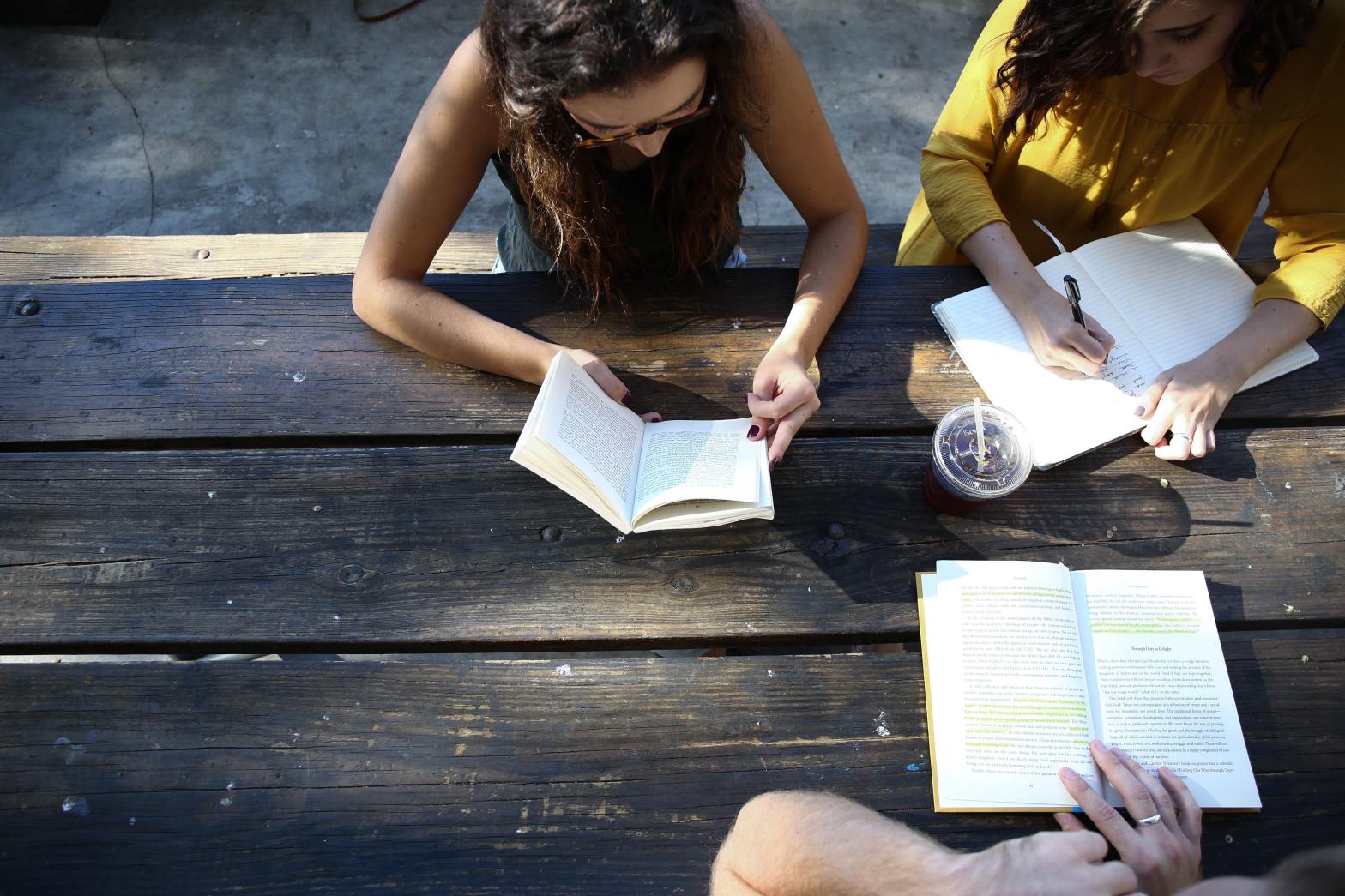
According to UNICEF, Australia ranks in the bottom third of OECD countries in providing equitable access to quality education. This means our education system – from access to early childhood education to expectations for study after school – does not allow every student to enjoy the same benefits that come from schooling.
 Youth For SDG