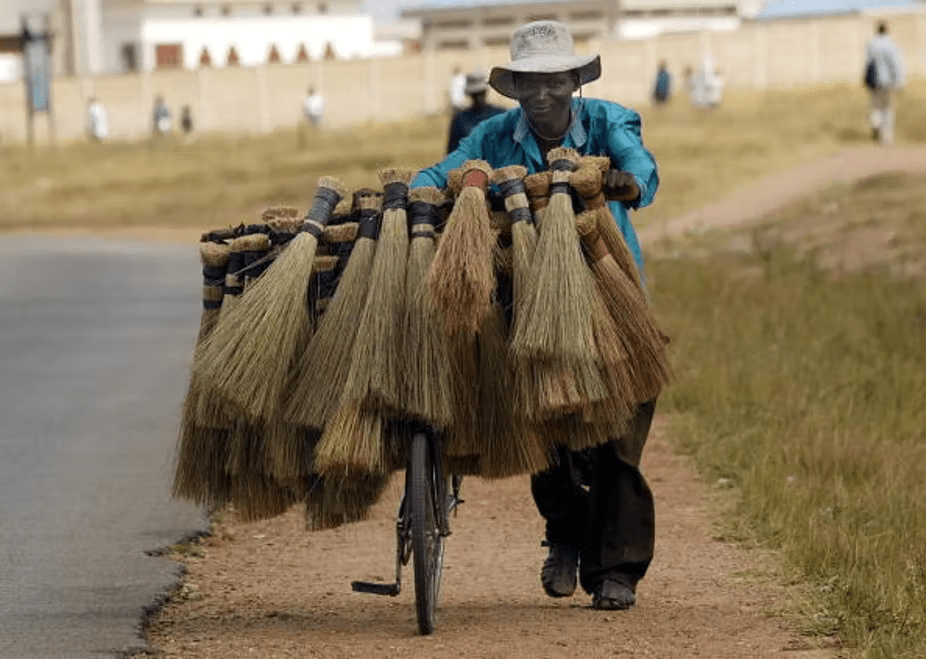
In 2003, Thabo Mbeki–then president of South Africa – described South Africa’s economy as being like a two-storey house. The top floor was quite plush, with all the fittings packed neatly together. He referred to this as the modern, diversified economy within South Africa. Below that level, however, was an informal economy where the poor were trapped in poverty, with little or no skills.
Author Archives: youthforsdg
Making COVID Vaccines in Africa: Advances and Sustainability Issues
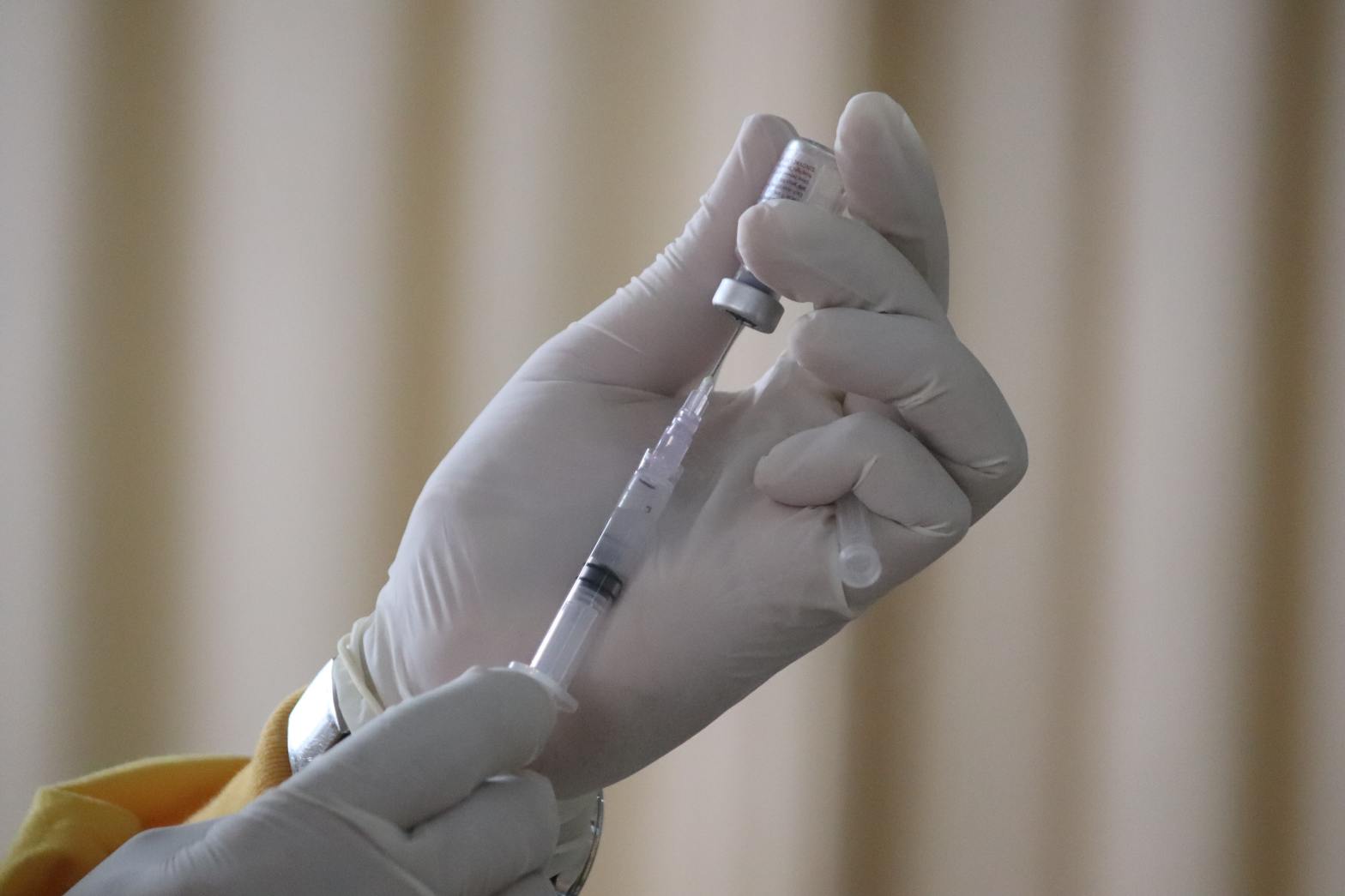
The history of vaccine manufacturing capacity in Africa dates back to 1881, when Egypt’s Vacsera company was established. Before the COVID pandemic was declared, there were eight African countries that, to our knowledge, had a record of vaccine manufacturing facilities (see the map).
Removing Alien Plants Can Save Water: We Measured How Much
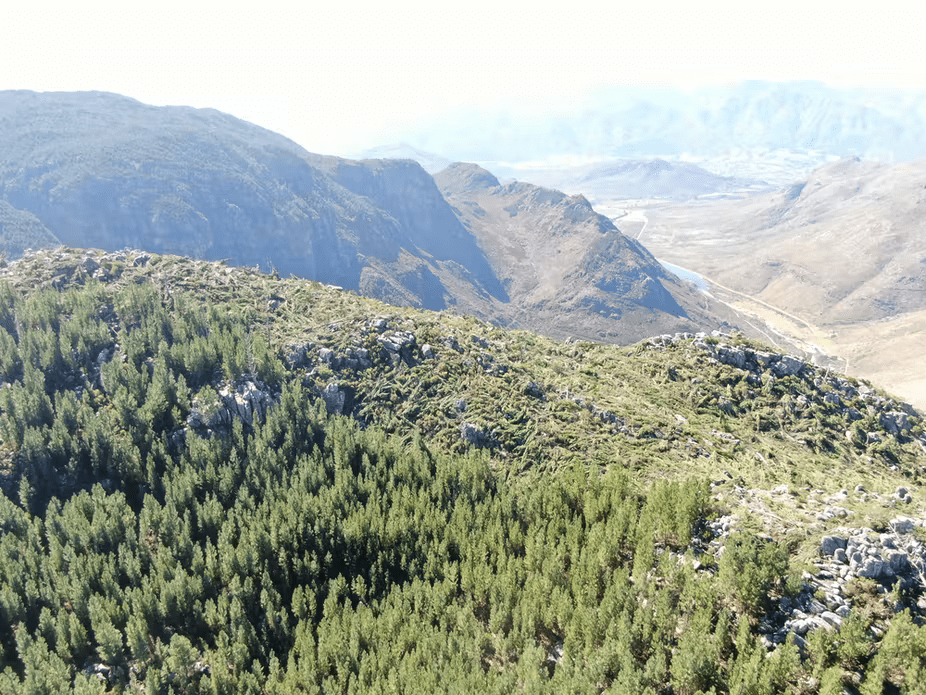
Humans’ relationship with nature is broken. We’re transforming the Earth so dramatically that almost one million plant and animals species face extinction. Losing species unravels the tapestry of nature, changing how ecosystems function and, ultimately, damaging society too.
High-level UN Conference Debates Precious Commodity: Land
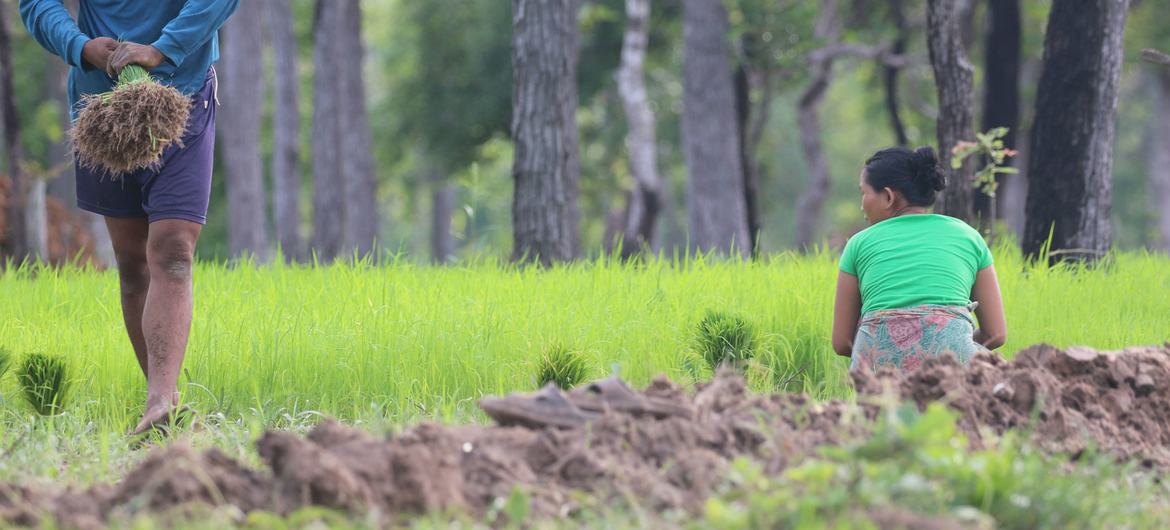
The 15th session of the Conference of Parties (COP15) to the United Nations Convention to Combat Desertification (UNCCD), kicked-off on Monday, in the Ivorian “economic” capital.
Champion of women’s right to manage land and forests wins top environment prize
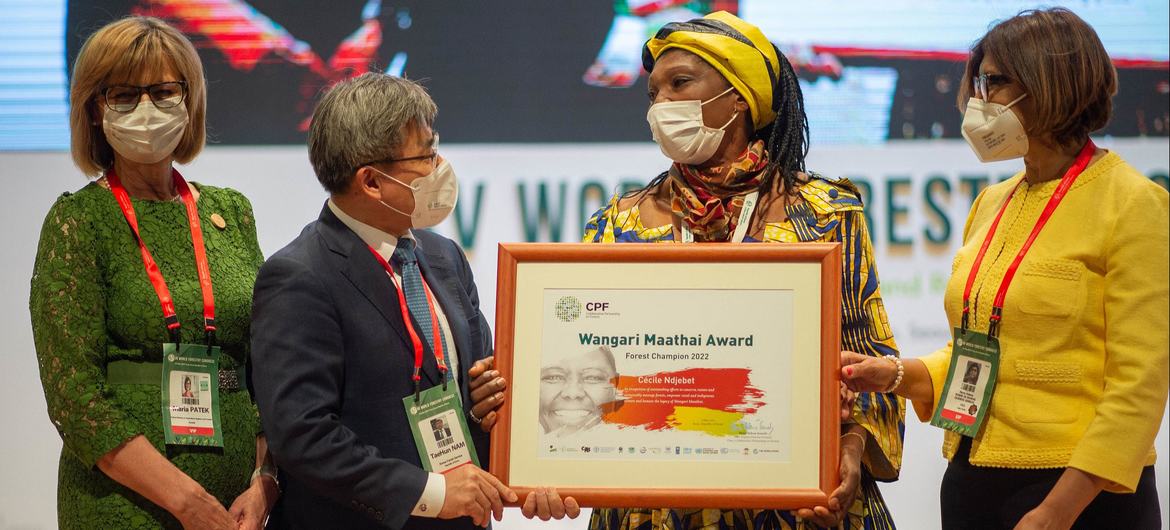
A veteran Cameroonian activist working to preserve her country’s forests, and improve the lives of people who depend on them, is the latest winner of a UN-backed international environmental prize.
Clean hands may make the difference between life and death – WHO report

When good hand hygiene and other infection prevention and control (IPC) measures are followed, 70 percent of infections can be prevented in health care settings, according to a new World Health Organization (WHO) report published on Friday.
US abortion law decision brings attention to rights of women in Africa

A leaked draft of a majority opinion of the US Supreme Court has revealed the court’s leaning towards undoing its 1973 landmark ruling (Roe v Wade) which gave women in the US a constitutional right to abortion.
Natural resources must be ‘part of the solution’ in fight against deforestation
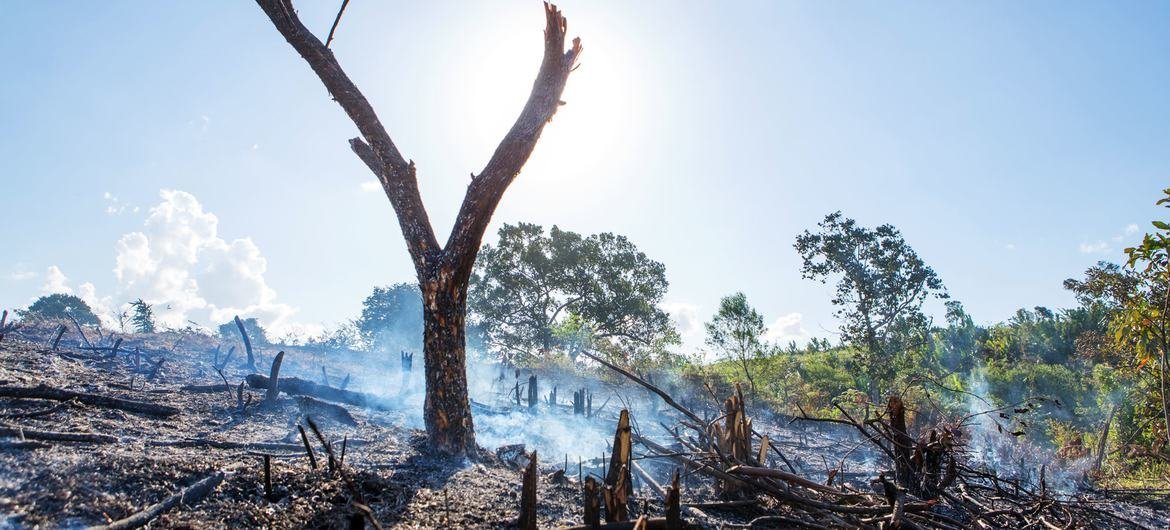
Between 2010 and 2018, the rate of deforestation worldwide slowed by nearly 30 percent compared to the previous ten years, according to a key report launched on Tuesday by the Food and Agriculture Organization (FAO).
Oceans and their largest inhabitants could be the key to storing our carbon emissions
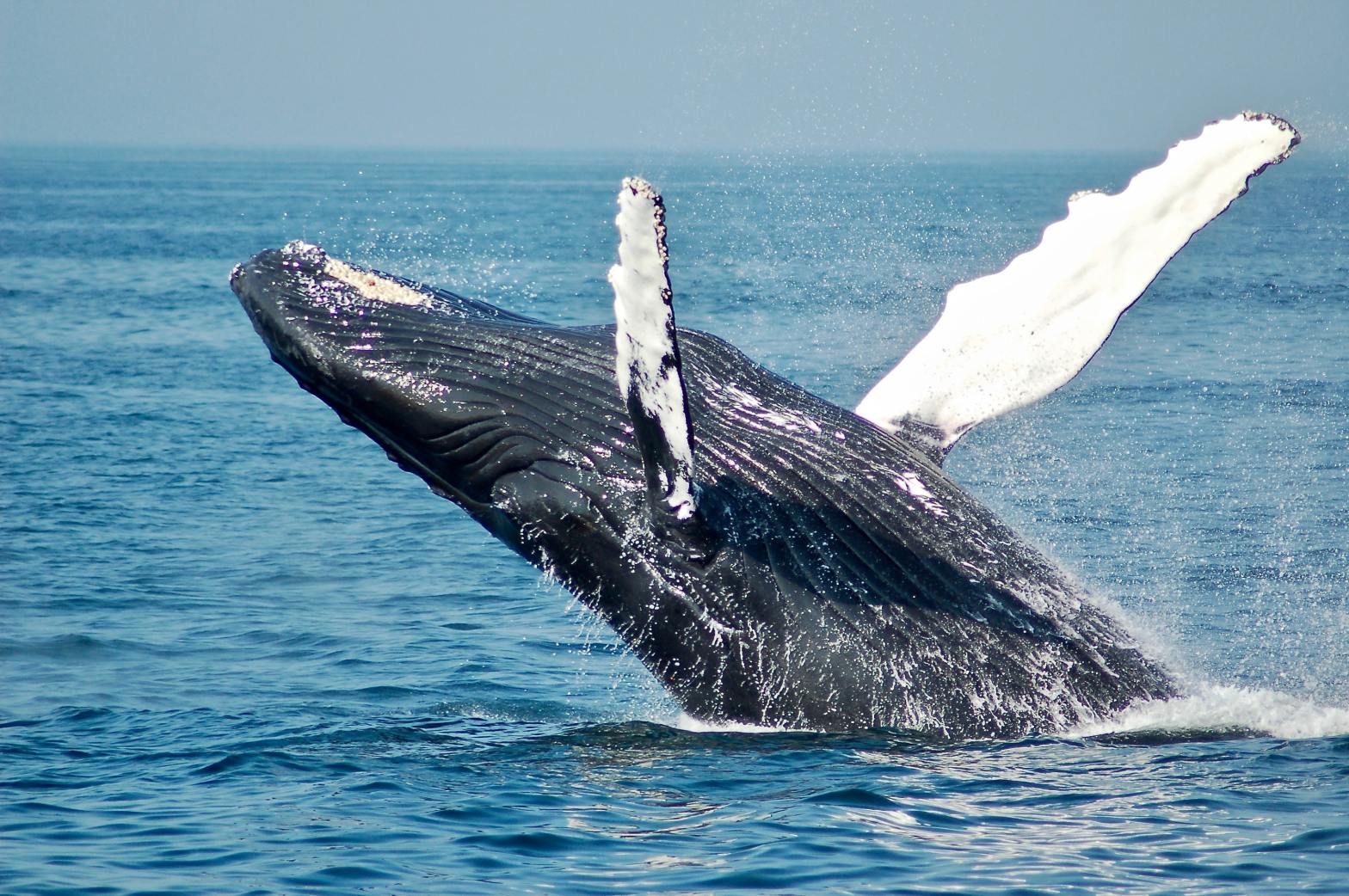
It’s time to turn to our oceans for help, an approach consistent with the IPCC’s climate objectives, yet which remains relatively overlooked. Current research at the Centre for Climate Repair at Cambridge University tackles how we can reinvigorate the world’s largest potential carbon sinks, which cover more than 70% of our planet’s surface, and have already been working to remove CO₂ from our atmosphere for millions of years.
Digital tech investment, critical to workforce in least-developed nations
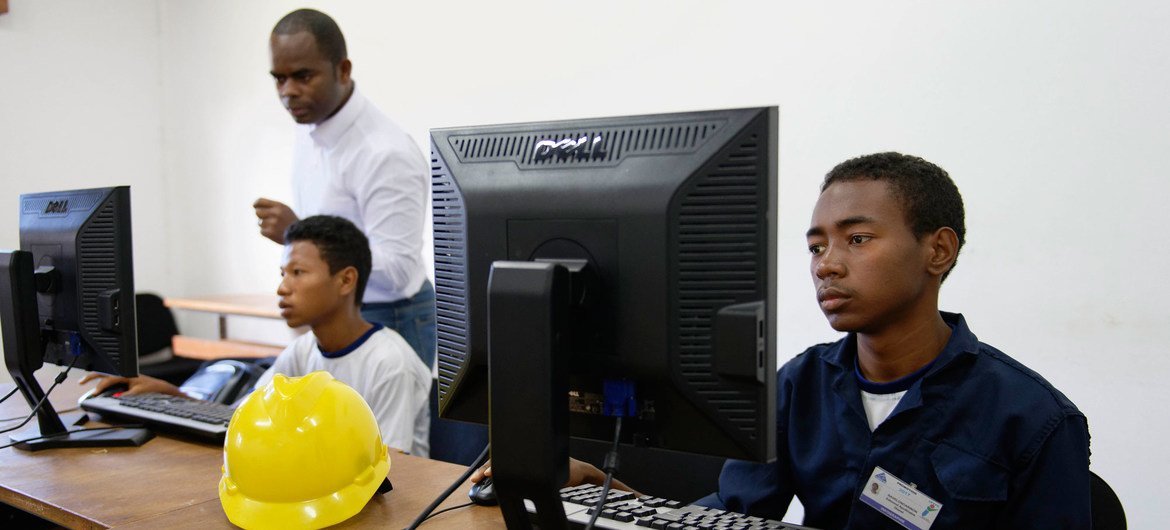
Structural weaknesses in the world’s Least Developed Countries (LDCs) have made them more vulnerable to shocks such as the COVID-19 pandemic, climate change and the current food and energy crises, and the situation could worsen if they do not fully participate in global recovery efforts.
 Youth For SDG